footer icon1 footer icon2
Dentistry
footer icon11 footer icon22
Face

REMOVABLE APPLIANCES

What is a removable appliance?

A removable appliance is an orthodontic appliance, usually made of acrylic and stainless steel, which works in a limited way to improve the position of certain teeth which have not developed in the right position.

How much do I need to wear my removable appliance?

Your removable appliance needs to be worn as much as possible for your treatment to work. It should be worn every day, except when brushing your teeth, playing sports and playing certain musical instruments. It will be explained to you whether you need to eat with it in.

Will it be painful?

It is likely to be uncomfortable for 3-5 days when initially fitted and each time your appliance is adjusted. If necessary, painkillers such as the ones you would normally take for a headache can be taken (please read the instructions on the packet). If there is an obvious area of discomfort as a result of your appliance, please call our practice for an appointment as soon as reasonably possible. If possible, try not to stop wearing the appliance (unless it is causing a lot of discomfort).

How else might my removable appliance affect me?

Your speech will initially be different as your tongue needs to adapt. It is a useful exercise to practice speaking with your appliance in place e.g. read out aloud at home, and in this way your speech will return back to normal more quickly, usually within a week. You will also find yourself swallowing a lot to begin with. This is normal and will also quickly pass as you get used to your appliance.

Can I eat normally?

You will be advised whether you need to eat with it in. If you have been told to take it out for eating, please place it in a tough plastic box for safekeeping. This will help prevent your appliance from being lost or broken when not in your mouth.

For your orthodontic treatment to work well and in the shortest possible time it is important that you take care of your teeth and your appliances. Please avoid: hard, sticking and sweet foods e.g. nuts, toffees, boiled sweets, chocolate bars, sugary chewing gum etc. Also avoid fizzy drinks (including energy and diet drinks) and excessive amounts of fruit juice. Try to drink more water and if drinking squash, choose a sugar free variety and drink through a straw to prevent the drink coating your teeth.

What about toothbrushing?

You will need to remove your removable appliance in order to brush you teeth well. It is important to brush your teeth at least twice a day using a fluoride toothpaste. Also rinse with a fluoride mouthwash after you have had your evening meal (i.e. at a different time to brushing). Please carry a brush with you in order to brush your teeth after lunch. You will also need to gently brush your appliance, including the metal parts of your appliance, but try not to damage the wires. Use cold or warm water instead of hot water (which will distort the plastic) and avoid toothpaste to clean your appliance as it is abrasive and will scratch your appliance. Soak your appliance in ‘Retainer Brite’ everyday to help keep it clean (please follow the instructions on the box).

How long will it take for my removable appliance to work?

This can vary amongst individuals and according to the severity of your case. It usually however take approximately 6-12 months. Some patients who wear their removable appliance well notice a dramatic improvement in the position of their teeth in much less time than this. You will need regular appointments to check your progress and to adjust your appliance. Please note that repeated breakages and missed appointments will increase your overall treatment time.

At the end of this phase of treatment, you may need to wear your appliance just at night time as a retainer to ensure that your teeth do not move back (relapse).

Do I still need to see my regular dentist?

Yes. It is important that you still have check-ups with your regular dentist so that your teeth can be checked for decay.

What do I do if I play contact sport?

You should remove your removable appliance and wear a gumshield instead. Besides contact sport, you ideally should protect your teeth when riding a bicycle, roller-skating, ice-skating or skateboarding. Please carry your protective box with you so that you can place your appliance in the box when not in your mouth.

What should I do if my removable appliance breaks?

Please ring for an appointment as soon as reasonably possible. Do not wait until your next routine appointment. Some ways to avoid breaking your appliance include: not clicking your appliance in and out with your tongue, fiddling with your appliance, using your teeth to bite the appliance into place (always use your fingers), biting your nails or hard objects e.g. pens, and avoiding eating certain foods as mentioned before. If your appliance does break please keep all the broken pieces and we will endeavour to have your appliance repaired. Unfortunately, if it is beyond repair you will need to pay for a replacement appliance.

Get in touch

Tooth Whitening & Hygiene Appointment

At Home Whitening With Hygiene

£29.95

Learn more

Dental Health Plan

Options for all treatments

New Patients Welcome

We are accepting new patients, book an introduction call today

Book An Introduction Call
We are on Instagram
🦷 Did you know your oral health affects your whole body?

Your mouth doesn’t exist in isolation. Gum health, inflammation and oral hygiene can all play a role in your wider wellbeing – from heart health to confidence and mental wellness.

We’ve just published a new blog exploring the link between oral health and overall wellness, and why looking after your teeth and gums is about much more than your smile.

If you’re interested in oral health and general health Portishead, this is a great read and a helpful reminder of how small daily habits can support long-term health.

Link in bio
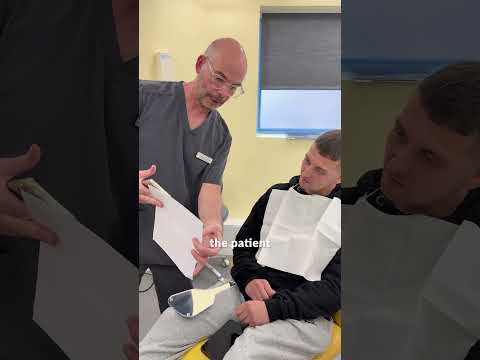
When is root canal treatment needed?

It’s a question many patients ask — and in this video, Richard explains it clearly and simply.

Root canal treatment is usually needed when the nerve inside a tooth becomes inflamed or infected. This can happen because of deep decay, a crack in the tooth, repeated dental work, or sometimes after an injury.

You might experience symptoms like persistent toothache, sensitivity to hot or cold that lingers, pain when biting, or swelling around the gum. However, sometimes there are very few symptoms at all — which is why regular check-ups at the practice are so important.

The good news is that root canal treatment is designed to relieve pain, not cause it. It removes the infection, saves the natural tooth, and helps you avoid extraction.

Watch Richard’s video to understand the signs to look out for — and if you’re worried about a tooth, get in touch with our reception team for advice.
Smile Hack 🍎🥕

Love a sweet treat? Jane shares a simple swap that your teeth will thank you for.

Sticky sweets cling to your teeth and sit in the tiny grooves for longer, feeding the bacteria that cause decay. The longer they stick around, the more damage they can do.

Instead, try swapping them for crunchy veg or a handful of nuts. Foods like carrots, cucumber and peppers have a natural crunch that helps stimulate saliva, which protects your teeth. Nuts are also a lower-sugar option and far less likely to cling to enamel.

Small changes really do make a big difference over time.
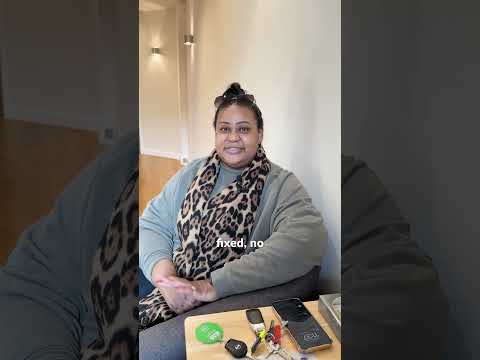
Are electric toothbrushes better than manual?

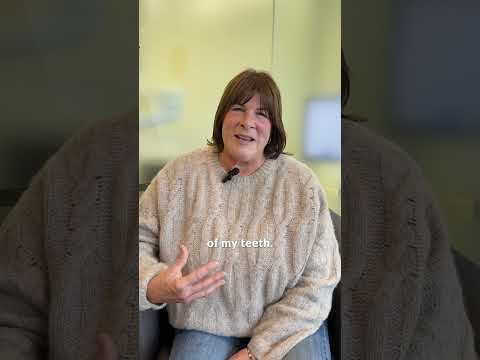
It’s a question we’re asked a lot at the practice – and in this video, Carol gives a clear, honest answer.

Electric toothbrushes can make it easier to clean effectively, especially if you struggle with technique, brushing for long enough, or reaching certain areas. Many people find they remove plaque more consistently, simply because they do most of the work for you.

That said, a manual toothbrush can still do a great job when used properly. It’s less about the brush itself and more about how you use it.

Watch Carol’s quick explanation to find out what we usually recommend – and how to make sure you’re getting the most from your brushing routine.

If you’re unsure whether your brushing technique is working for you, mention it at your next appointment and we’ll be happy to guide you. 🪥
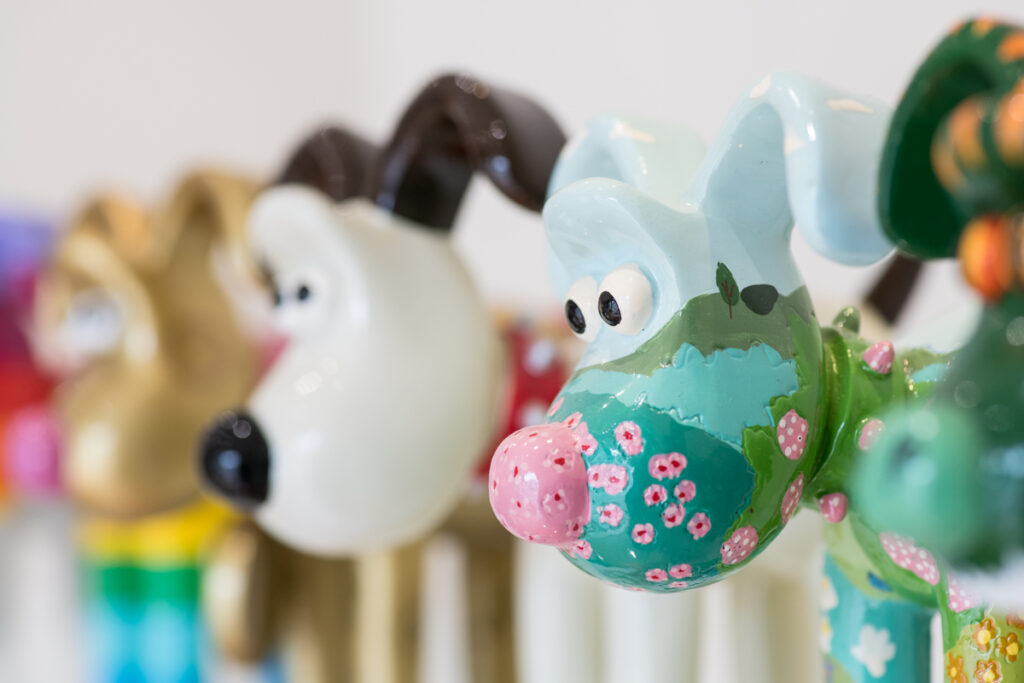
Our Gromits have become quite the local celebrities here at Evolve 🐾💛

So many of you pop into our patient lounge just to see the collection, and we love how much joy they bring to patients of all ages.

At the moment, two of our Gromits seem to have wandered off on an adventure! We’re hoping they simply need a little help finding their way home.

If you happen to spot them locally or see anything that looks like part of our collection being sold, we’d really appreciate you letting us know. You can message us privately or call the practice.

They’re part of what makes Evolve feel like Evolve — and we’d love to have the whole family back together again.

Thank you for always looking out for us 💛

#Portishead
#PortisheadLife
#PortisheadBusiness
#NorthSomerset
#BristolAndBeyond
#ShopLocalSomerset
#supportlocalbusinesses❤️ #Gromit
#GromitSpotting
#WallaceAndGromit
#Aardman
#GromitUnleashed
#gromitfans #CommunityMatters
#KeepingItLocal
#SpreadTheWord
#HelpUsFindThem
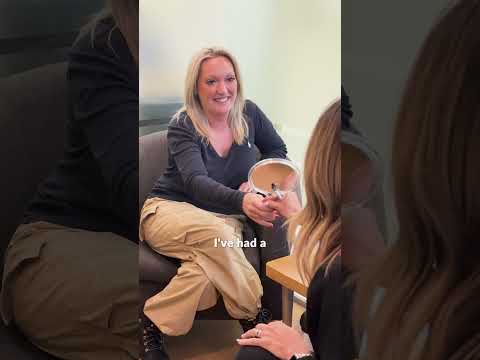
😴 Can snoring affect your oral health?

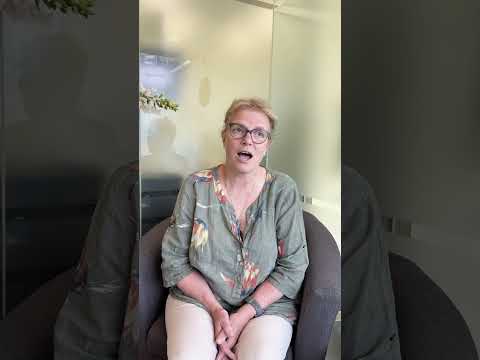
In our latest Two Thirty video, Maggie answers a question many people don’t think to ask — can snoring impact your teeth and gums?

The short answer is yes, it can.

Snoring is often linked to breathing through your mouth at night, which can cause a dry mouth. Saliva plays an important role in protecting your teeth, so when your mouth is dry, you may be more prone to tooth decay and bad breath.

If you snore and have noticed dryness, increased decay or concerns about your breath, it’s worth mentioning at your next appointment.

Our reception team at Evolve Dentistry in Portishead will be happy to arrange a consultation if you’d like advice.
⏰ Smile hack: When you brush matters

Did you know it’s not just how long you brush — but when you brush — that makes a difference? Maggie shares an important smile hack about timing your toothbrushing properly.

Brushing straight after eating — especially after acidic foods or drinks like fruit, juice or coffee — can actually do more harm than good. Your enamel is slightly softened, and brushing immediately can cause wear.

Maggie explains the best time to brush and why waiting can help protect your teeth long term.

It’s a small change that can make a big difference to your oral health.
footer icon1 footer icon2
Dentistry
footer icon11 footer icon22
Face
google rating