Face
Face

 Dentistry
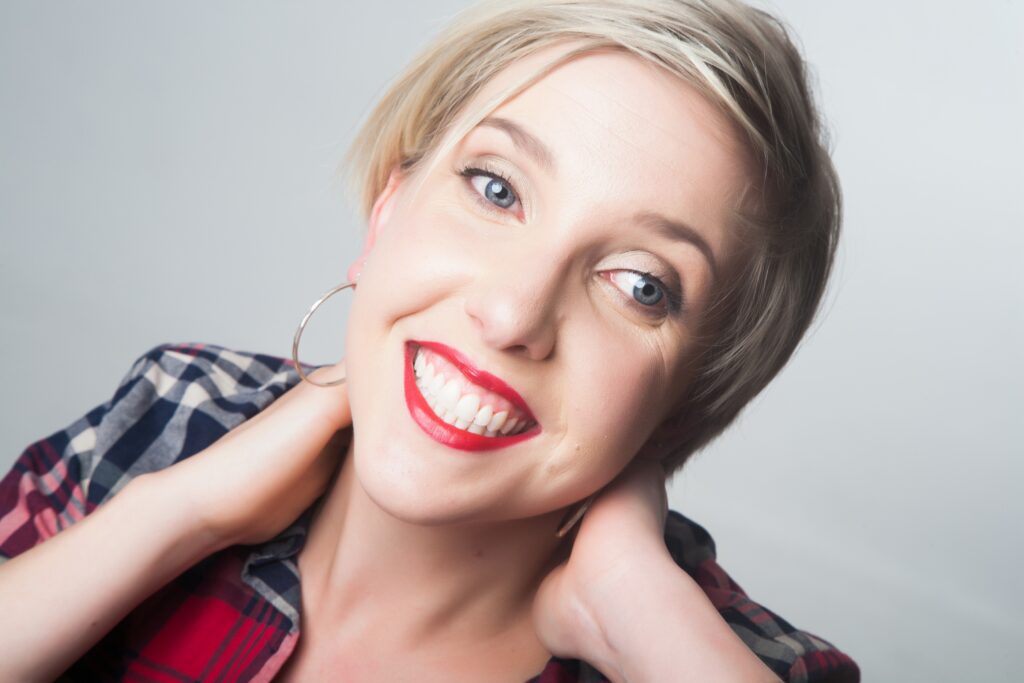
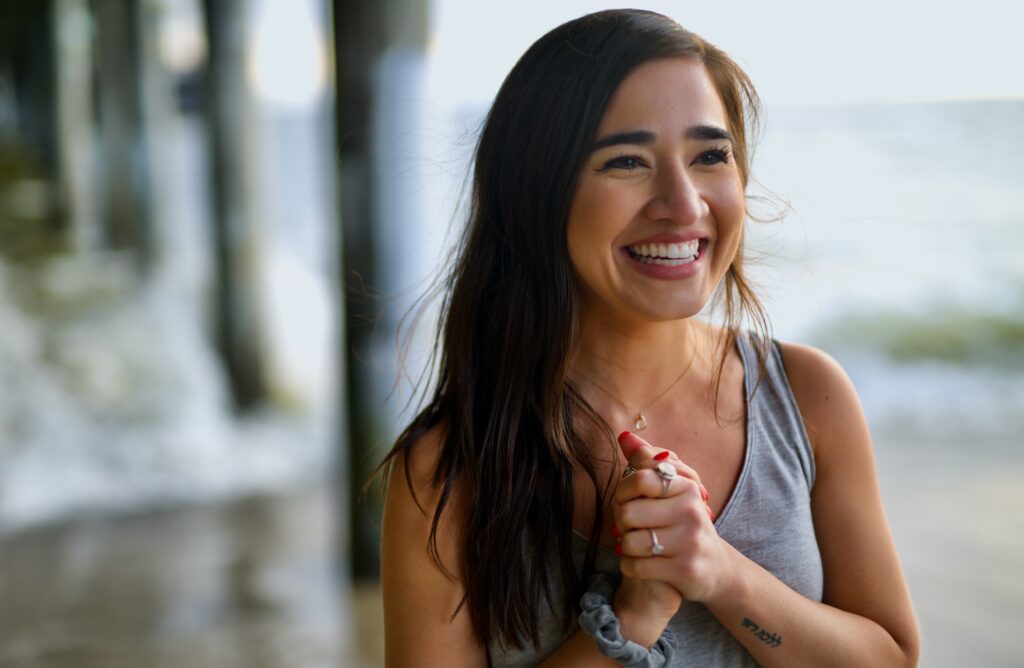
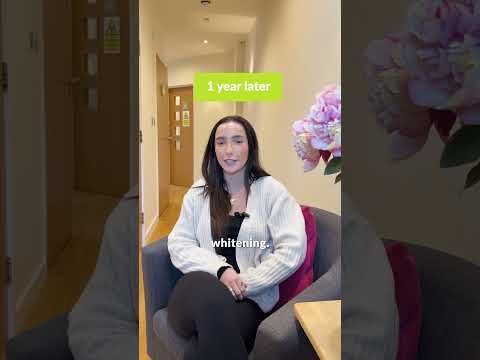
✨ “I’d definitely recommend Evolve.” ✨
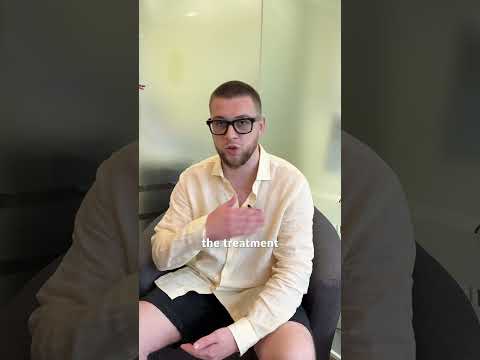
When David first came to see us, he was unhappy with the appearance of his teeth and felt self-conscious about how wonky they looked.
He told us that his confidence had been affected so much that he would often keep his mouth closed when talking.
Like many patients, David was nervous about starting treatment, but our team took the time to listen, answer his questions and support him every step of the way.
Using teeth straightening followed by composite bonding, we helped David achieve the smile he had always wanted - and in just 9 months.
For David, the biggest change wasn’t just his teeth. It was feeling confident enough to smile, speak and be himself again.
Thank you, David, for trusting us with your smile and for sharing your experience.
#Northsomerset #multiawardwinning #patientsatisfaction #patientsfirst #straighterteetheveryday #straighterteeth #newpatients #naturalteeth #healthysmiles #smilemakeovers #healthysmile #acceptingnewpatients #nailsea #portishead #clevedon #portisheadmarina #dentist #adultbraces #adultbracesuk #gapsinteeth

🦷 How often should you visit the dentist?
It’s one of the questions we’re asked most often, and the answer might surprise you.
Many people assume everyone should visit every six months, but that’s not always the case. Some patients may only need to see us every 12 months, while others benefit from more frequent visits every three or four months.
The right interval depends on factors such as your oral health, risk of tooth decay, gum health and any ongoing treatment.
In today’s Two Thirty video, Richard explains why dental review appointments are tailored to each individual and how regular visits help us spot potential problems before they become bigger issues.
Take a look at the video to learn more, and if you’re unsure when your next review is due, our team will be happy to help.
#Northsomerset #multiawardwinning #patientsatisfaction #patientsfirst #healthysmiles #healthysmile #acceptingnewpatients #nailsea #portishead #clevedon #portisheadmarina #dentist #oralhealth #preventivedentistry #dentalhealth #smilemonth #newpatients
✨ Why are so many patients choosing Angel Aligners? ✨
If you’ve been thinking about straightening your teeth but are worried about noticeable braces, Angel Aligners could be the perfect solution.
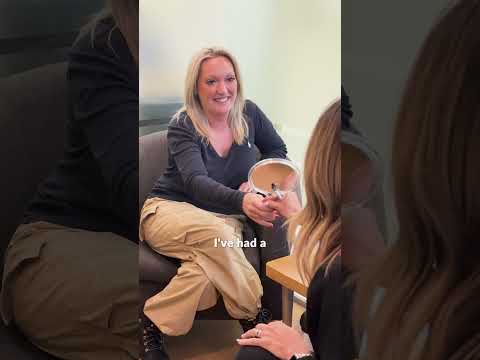
In today’s video, Yasmin explains why patients love Angel Aligners. The clear aligners are comfortable, removable and incredibly discreet, meaning most people won’t even notice you’re wearing them.
But it’s not just patients who love them.
As a dentist, Yasmin values the flexibility Angel Aligners provide. By carefully placing attachments on the teeth, she can achieve precise movements and help treat more complex cases than many people realise.
The result? A straighter smile with a treatment that fits around your everyday life.
Watch the video below to hear Yasmin explain why Angel Aligners have become such a popular choice for patients looking to transform their smile.
📩 If you’re considering teeth straightening, get in touch to arrange a consultation with our team.
#Northsomerset #multiawardwinning #patientsatisfaction #patientsfirst #straighterteetheveryday #straighterteeth #newpatients #naturalteeth #healthysmiles #smilemakeovers #healthysmile #acceptingnewpatients #nailsea #portishead #clevedon #portisheadmarina #dentist #braces #adultbraces #adultbracesuk #gapsinteeth
Are dental X-rays safe? 🤔
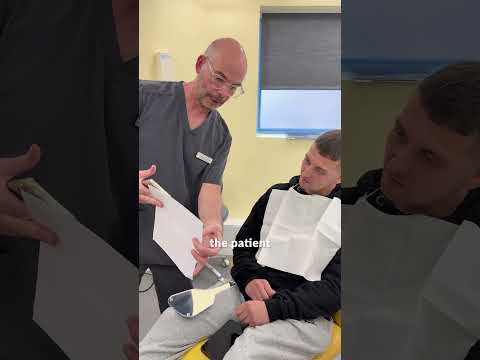
It’s one of the questions we’re asked most often - and in this video, Richard explains why modern dental X-rays use very low levels of radiation and play an important role in protecting your oral health.
Dental X-rays help us spot problems that may not be visible during a normal examination, including decay between teeth, infections, bone loss and other hidden issues - often before they become more serious.
At Evolve Dentistry, we only recommend X-rays when clinically necessary and always keep radiation exposure as low as possible.
Watch the video to hear Richard explain more. 👇
#Northsomerset #multiawardwinning #patientsatisfaction #patientsfirst #healthysmile #healthysmiles #acceptingnewpatients #nailsea #portishead #clevedon #portisheadmarina #dentist #dentalxrays #oralhealth #preventivedentistry #healthyteeth #dentalcare #patienteducation
Today is World Environment Day 🌍
At Evolve Dentistry, we’re always looking at ways we can reduce our environmental impact while continuing to provide high-quality patient care.
Over the years, we’ve introduced a number of changes within the practice
🦷 Using digital scanners instead of traditional impressions
📄 Reducing paper usage through digital systems and communication
☕ Choosing paper cups rather than plastic alternatives
🌱 Using environmentally friendly materials and products where we can
Modern dentistry is constantly evolving, and we believe small changes can make a big difference over time.
Thank you to our patients for supporting a practice that is always striving to improve - not just for our patients, but for the environment too. 💚
#WorldEnvironmentDay #Northsomerset #multiawardwinning #patientsatisfaction #patientsfirst #healthysmile #acceptingnewpatients #nailsea #portishead #clevedon #portisheadmarina #dentist #digitaldentistry #sustainability #environmentallyfriendly #oralhealth #paperlesspractice
Did you know that snoring can affect more than just your sleep? 😴
In this video, Maggie explains how snoring and mouth breathing can lead to a dry mouth - which may increase the risk of tooth decay, gum disease and bad breath.
Saliva plays an important role in protecting your teeth and gums, so when your mouth becomes dry overnight, it can have a bigger impact on your oral health than many people realise.
If you struggle with snoring, waking with a dry mouth, or persistent bad breath, it may be worth speaking to a dentist.
📍 Portishead
📞 Contact the practice to arrange a consultation
#Northsomerset #multiawardwinning #patientsatisfaction #patientsfirst #healthysmile #healthysmiles #acceptingnewpatients #nailsea #portishead #clevedon #portisheadmarina #dentist #snoring #drymouth #gumdisease #badbreath #oralhealth #mouthbreathing #preventivedentistry
As Smile Month comes to a close, we’ve loved celebrating 50 years of promoting healthy smiles 🦷✨
The message behind Smile Month is simple, but important:
✔ Brush well
✔ Clean between your teeth
✔ Visit your dentist regularly
✔ Look after your overall health too
Prevention is always better than cure, and small consistent habits can make a huge difference over time.
Thank you for following along with our Smile Month posts this year - and thank you for continuing to support our practice and our team 💙
Here’s to many more healthy smiles to come.
#SmileMonth #SmileMonth2026 #HealthySmiles #PatientsFirst #OralHealth #Healthysmile #Dentist #Portishead #NorthSomerset #PortisheadMarina #Clevedon #Nailsea