Face
Face 
 Dentistry
 Dermal fillers are used to restore lost volume, improve facial balance and soften lines. They are made from hyaluronic acid, a substance naturally found in the body that helps keep the skin hydrated and supported.
At Evolve Face, dermal filler treatments are designed to create subtle, natural-looking improvements that enhance your existing features.
What dermal fillers can help with
Dermal fillers can be used to:
Treatment areas
Cheek rejuvenation
As we age, volume in the cheeks gradually reduces. Dermal fillers can restore this support and improve the appearance of the mid-face.
Temple rejuvenation
Loss of volume in the temples can make the face appear hollow. Dermal filler can gently restore this area.
Lower face rejuvenation
Fillers can soften lines around the mouth, including nasolabial folds and marionette lines.
Lip treatments
Dermal fillers can be used for subtle lip hydration or to enhance lip shape and volume.
What to expect
Treatment usually takes around 30 minutes. Results are visible immediately, although mild swelling may occur for a few days.
Results typically last between 6 and 18 months depending on the treatment area.
What are dermal fillers made from?
Most dermal fillers are made from hyaluronic acid, which naturally occurs in the skin.
How long do dermal fillers last?
Results can last between 6 and 18 months depending on the area treated and the product used.
Will my lips look overfilled?
Our approach focuses on natural-looking results. Many patients choose subtle lip hydration rather than increasing volume.
Is dermal filler treatment painful?
Most fillers contain a local anaesthetic and treatment is generally very comfortable.
Can dermal fillers be reversed?
Yes. Hyaluronic acid fillers can be dissolved if necessary.
Dermal filler injections are used to restore lost volume to the skin, resulting in a plumper, more youthful appearance, fillers can also be used to improve the shape of your lips and cheeks. At Evolve Dentistry, we have chosen to use dermal fillers that are hyaluronic acid which are the safest to use, such as Restylane and Teoxane.
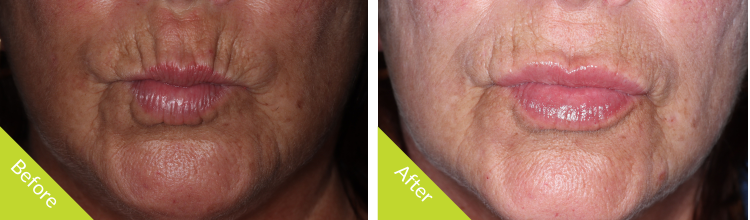
Dermal fillers can be used to enhance the lips, cheeks, and chin, as well as reduce the appearance of the lines that run from the nose to the mouth – nasolabial folds – and those that extend from the corners of the mouth – Marionette lines. In addition, dermal fillers can be used to smooth out and reduce the appearance of smoker’s lines around the lips.
The number of treatments will depend on your desired results and the extent of the issues that are being treated. However, the majority of patients can expect to have their dermal filler treatment completed in one appointment.
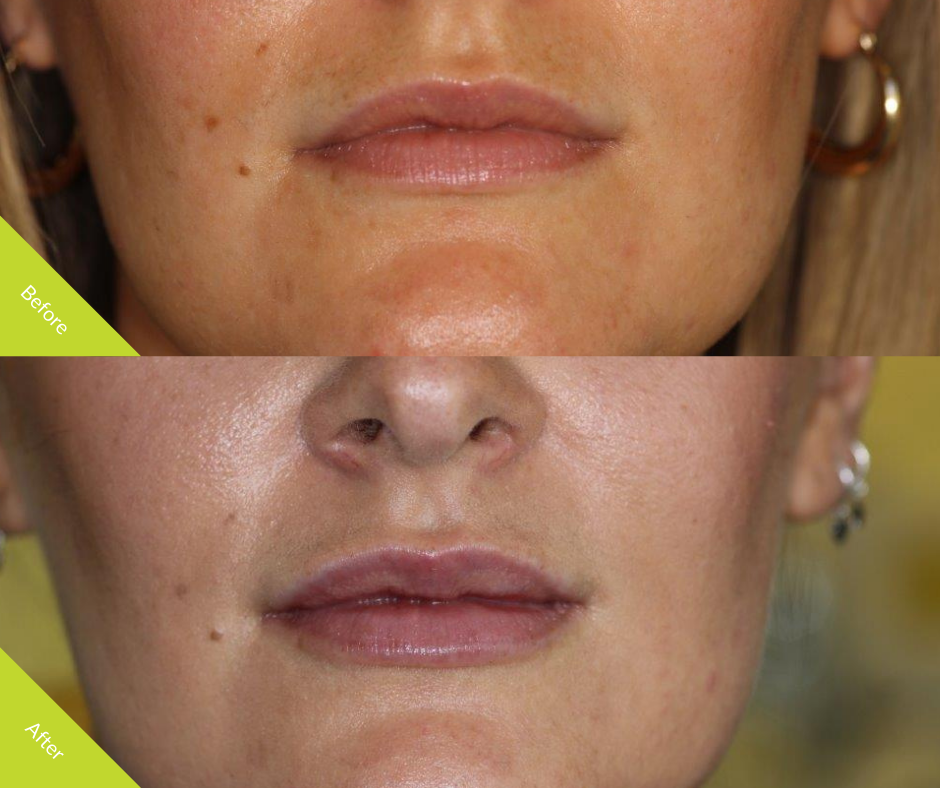
Dermal filler appointments at Evolve Dentistry typically take 30 – 60 minutes.
For dermal filler treatment, we require that our patients attend a no-obligation consultation to discuss the results that they are looking to achieve through treatment and develop a comprehensive treatment plan.
During your treatment appointment, we will deliver the appropriate amount of dermal filler product to the agreed areas using either a cannula or a small needle to achieve your desired results.
The advantage of a dentist carrying out this treatment is that Carol can gently give you a dental block to ensure that your treatment is pain-free, this is generally done for lip enhancements.
Yes, they will use numbing cream – which is to be applied 30 – 40 minutes before treatment – to numb the treatment area and make you more comfortable throughout the procedure. This is more commonly used for cheek fillers.
For those who are seeking lip enhancement through dermal filler treatment, we utilise a dental block product to numb the area, as the lips are particularly sensitive.
Results of your dermal filler treatment will be immediately apparent following the procedure. However, the visible results are typically only 80% of the actual final results, with the further 20% improvement becoming apparent in the 2 weeks that follow post-procedure.
Depending on which filler product is utilised and the area treated, dermal filler treatment results can last between 6 and 12 months.
Some of the typical side effects associated with dermal filler treatments are slight bruising and swelling in the treatment area following the procedure, which will wear off over time as the area heals. The appearance and discomfort of bruising and swelling can be mitigated by icing the area and taking pain relief, you will be advised on what to do after your treatment.
Treatment sites may also be tender for up to 1-week post-procedure, and some patients may develop small nodules under the skin at the injection site. If necessary, these can be dissolved but this is not required very often.
Very rarely, an emergency condition can develop if the filler is injected directly into a blood vessel rather than the skin. This requires immediate medical attention, as the filler must be dissolved with an Hyalase injection as quickly possible. Carol is fully trained and capable of administering the appropriate response required to handle this emergency. This is very rare and occurs at the time of treatment so can be dealt with immediately.
Though patients may experience slight swelling and bruising, there is usually no downtime associated with dermal filler treatment, and you may return to work immediately.
At Evolve Dentistry, we advise that our patients refrain from consuming alcohol for 24 hours before their treatment appointment, as alcohol consumption may increase your chances of developing bruising.
It is essential that dermal filler patients refrain from taking aspirin, vitamins C and E, for 48 hours pre-treatment appointment.
There are multiple actions that you can take post procedure to reduce the chances of developing more extensive bruising and swelling and to ensure that the treated area heals properly, including:
We do require a routine review for our dermal filler patients. This typically takes place 2 weeks following the procedure and lasts for 10 minutes. At this appointment we check that you are happy with your treatment. We also take photos to assess the difference that your treatment has achieved.
Are there any absolute contraindications associated with dermal filler treatments?
Dermal fillers can provide a more youthful appearance by plumping and smoothing the skin to improve its visible texture.
Finally, because the injections consist of natural and biodegradable materials, they are not permanent, and the body will eventually break them down, necessitating further treatment. However, the hydrating effects of hyaluronic acid offers restorative benefits that will continually improve the look and texture of skin over time with further treatment.
The cost of your dermal filler treatment at Evolve Dentistry will depend entirely on the extent of the treatment that is necessary.
Please see our fee guide for up to date prices.
What are dermal fillers and how do they work?
Dermal fillers are injectable gels typically made from hyaluronic acid, a substance naturally found in the body. They work by adding volume, smoothing fine lines and wrinkles, and enhancing facial contours. Results are immediate and can create a more youthful, refreshed appearance.
Are dermal fillers safe?
When administered by a qualified and experienced professional, dermal fillers are considered safe. All reputable products used in the UK are thoroughly tested and CE-marked for quality and safety. As with any medical treatment, there are risks, but these are minimal when performed in a clinical setting.
How long do dermal fillers last?
The longevity of dermal fillers depends on the area treated and the product used, but most results last between 6 to 18 months. Over time, the filler naturally dissolves and is absorbed by the body.
Do dermal filler treatments hurt?
Most patients experience only mild discomfort. A topical anaesthetic or fillers containing lidocaine are often used to minimise any pain. The procedure is quick, and any sensitivity usually subsides shortly after.
What areas can be treated with dermal fillers?
Common treatment areas include the lips, cheeks, jawline, nasolabial folds (smile lines), marionette lines, chin, and under-eye hollows (tear troughs). Fillers can also be used for non-surgical rhinoplasty and hand rejuvenation.
Is there any downtime after having dermal fillers?
Downtime is minimal. You may experience mild swelling, redness, or bruising at the injection site, which usually resolves within a few days. Most clients return to normal activities immediately after treatment.
Who is a good candidate for dermal fillers?
Dermal fillers are suitable for adults over 18 who are in good general health and looking to enhance or restore facial volume, reduce lines, or improve symmetry. A thorough consultation is always carried out to ensure suitability.
Can dermal fillers look natural?
Absolutely. When performed by a skilled practitioner, dermal fillers enhance your natural features subtly and beautifully. The goal is always to refresh your appearance without looking ‘overdone’.
How much do dermal fillers cost in Portishead?
Prices vary depending on the area treated and the amount of product used, but typical costs range from £550 to £550 per syringe. A detailed quote will be provided during your consultation.
Why choose a dental practice in Portishead for dermal fillers?
Dentists are highly trained in facial anatomy and precision injection techniques, making them exceptionally qualified to administer dermal fillers safely and effectively. Choosing a reputable dental clinic ensures clinical hygiene standards and peace of mind.
Evolve are accredited by Save Face.
back to treatments Why is my dentist taking photographs of my teeth?
“Why are you taking photographs of my teeth?”
A perfectly reasonable question.
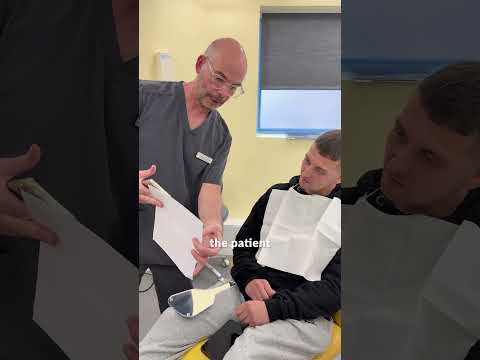
Dental photographs aren`t just for before-and-afters.
They can help us record what we`re seeing, monitor changes, explain things more clearly and involve you in conversations about your own teeth.
Richard explains why you might see a camera appear during an appointment at Evolve.
Because when we`re talking about your mouth, we think it`s rather useful if you can see what we`re talking about too.

There`s more to a smile transformation than two photographs
A before-and-after shows you two moments.
What it doesn`t show is everything that happened between them.
The conversations. The planning. What the patient wanted to change. The different options considered. And the decisions about what not to change.
That`s why we think the story behind a smile is every bit as interesting as the finished result.
Every patient is different - and every treatment plan should be too.
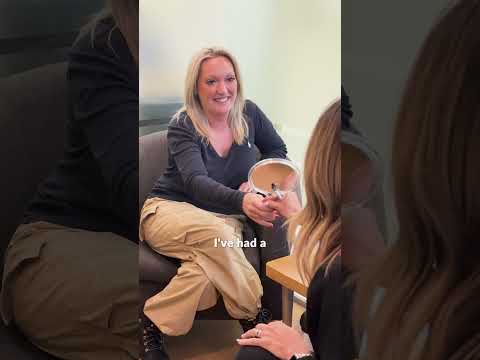
Here`s one of the lovely transformations we`ve had the privilege of being part of at Evolve. 💚
What actually happens during a dental examination?
If it’s been a while since your last dental examination, not knowing what to expect can sometimes make booking that appointment feel like a much bigger deal.
So what actually happens when you come in?
Richard explains what your dentist is looking for during a dental examination - and why it involves much more than simply checking whether you need a filling.
Regular examinations give us an opportunity to keep an eye on your teeth, gums and mouth, talk about anything that has changed and identify anything that may need our attention.
And if you haven’t been for a while? Please don’t feel embarrassed.
We’re simply pleased you’ve decided to come and see us.
🦷 We’re hiring - Dental Nurse | Portishead
We’re looking for a lovely new person to join our award-winning team at Evolve Dentistry.
You could be an experienced or newly qualified Dental Nurse, already in training, or looking for a completely new career - we’re genuinely open to all three. Finding the right person matters most.
If you’re new to dental nursing, we’ll fund and support you through your qualification.
💚 Permanent | Approx. 36 hours per week
💷 Trainee: £13.50-£14.50 per hour
💷 Qualified: £14.50-£16.55 per hour
📍 Portishead
📅 Monday, Thursday, Friday + alternate Saturdays
You’ll join a friendly, supportive team with great benefits, funded training and plenty of opportunities to develop.
Interested? Send your CV and a short covering note to hello@evolve-dentistry.co.uk.
Know someone who might be perfect for Evolve? Please tag them or share this with them. 💚
https://evolve-dentistry.co.uk/recruitment/
A little Evolve refresh 💚
You may have noticed something new if you’ve passed us recently…
Our new external signage is up!
We’ve given the outside of Evolve a refresh, making it even easier to spot us when you’re visiting the practice.
It’s been lovely seeing everything come together, and we think it looks rather smart. 😊
Have you spotted it yet?
#EvolveDentistry #Portishead #PortisheadDentist #LovePortishead #Evolve
Starting orthodontic treatment can feel like a big step.
But once you know what to expect, the whole journey often feels much less daunting.
From your first appointment to the day your braces come off, every stage is carefully planned to help you achieve a healthy, confident smile.
Swipe through our step-by-step guide to see what happens during orthodontic treatment - and how we’ll support you every step of the way.
https://bit.ly/3RTNc22
#AdultBraces #Orthodontics #SmileJourney #SmileConfidence #EvolveDentistry #portishead #nailsea #clevedon #Portisheadmarina