Face
Face 
 Dentistry
The simple answer is “Yes – dentistry can give you a headache” – and I am not just speaking about the unexpected emergency fee! Let me explain here how patients often do not associate symptoms with dentistry.
I recently had a new patient visit me as they had just moved to the area and during our New Patient Consultation I always check what we call in the business, ‘the function of the TMJ joint’. In other words we are looking to see that you can use your jaw muscles and joints efficiently and without pain as this can have such an impact on the quality of your life. The gentleman in question had recently had a crown placed at his previous dental practice and it certainly was a beautiful looking crown. My consultation however, revealed that my patient had started to suffer from headaches. He told me that there was tenderness in the side of the face and this radiated into headaches, which was particularly painful on waking in the morning. Further investigation revealed what I suspected – that the new crown was not in harmony with the jaw joint interfering with the function of his jaw. The new crown was also quite tender, however, he had put this down to it settling in after treatment.
This had gone on for several months and had started to impact on his sleep meaning that my patient found it tricky to focus at work and his partner was accusing him of being a Grumpy Old Man! Unfortunately I have seen many cases where this has gone unrecognised and untreated as TMJD is generally an optional postgraduate study. To compound the problem many other healthcare professionals are not aware of the dental solution for TMJ treatment. In untreated cases this can result in the development of an anxiety disorder or depression, as the feelings of frustration and defeat increase as the pain remains. I am grateful to work at Evolve Dentistry, where this disorder is recognised and I have the opportunity to literally change patients’ lives. How do I do this?
Once I have the diagnosis then sometimes it is a simple case of adjusting the bite of the patient and this I would do in the course of the consultation. In this case, my patient and I decided that a de-programming appliance would be the best treatment option. His appliance once adjusted after it was made in the laboratory ensuring a bespoke fit for this patient. The great news is that I can report that the patient found relief from his headaches within a fortnight of wearing the appliance at night and most importantly to him, his partner was delighted to see him like his old self again. The key message here is that patients do not always associate their facial pain and headaches with dental care, so it is important to attend for regular examinations not just for your oral health but also for your total well-being.
If you suspect you maybe suffering from a TMJ disorder or you have a family, friend or colleague who has these symptoms then contact one of Evolve’s friendly and efficient Welcome Team to find out more information or to book your consultation by calling 01275 842550 today.
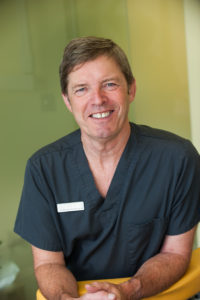 Dr Jonathan Sproson
Dr Jonathan Sproson is a General and Cosmetic Dentist at Evolve Dentistry and was a previous finalist for Dentist of the Year in National Dental Awards.
He started to study TMJ disorders when he started seeing more complex cosmetic cases. This was to ensure the longevity of the work he does for his patients.
From here TMJD became a particular special interest and now enjoys the huge professional reward that comes from relieving patients’ of the cycle of despair they find themselves in when they suffer pain from TMJD.
Jonathan is a member of the British Society of Occlusal Studies as well as a Full Member of The British Academy of Cosmetic Dentistry. He regularly lectures to other professionals on TMJD and is passionate about collaborating with other medics and body therapists to help patients with TMJD.



Can you spot the odd object? 🔍
This summer, we’re proud to be taking part in the RNLI Portishead Lifeboat Station Spot the Odd Object trail! 🚤❤️
From 25 July to 29 August, explore Portishead, visit participating businesses and see if you can spot the mystery object hidden in each window - including ours here at Evolve Dentistry!
Not only is it a great way to enjoy a family day out, but every £5 entry helps support the incredible volunteers at RNLI Portishead Lifeboat Station, who work tirelessly to help keep people safe at sea.
📍 Visit our practice and see if you can find our hidden object.
👀 Don’t forget to complete your entry form for your chance to win one of the fantastic cash prizes!
If you take part, we’d love to see your photos - tag Evolve Dentistry and let us know when you’ve found our mystery object!
Good luck… and happy spotting! 🔎💙
#Portishead #RNLI #SpotTheOddObject #SupportLocal #FamilyFun #EvolveDentistry #PortisheadEvents #SummerHolidays

Will composite bonding damage my teeth?
It’s a common concern, especially for patients who want to improve their smile while protecting their natural teeth.
The good news is that composite bonding is often one of the most conservative cosmetic dental treatments available. In many cases, little or no preparation of the tooth is required, meaning your natural tooth structure can be preserved.
Composite bonding can be used to improve the appearance of:
✔ Chipped teeth
✔ Small gaps between teeth
✔ Uneven tooth shapes
✔ Worn edges
✔ Minor imperfections
Because the treatment is minimally invasive, many patients choose composite bonding when they want to enhance their smile without significant changes to their natural teeth.
Every smile is unique, so we’ll always discuss your options and explain exactly what’s involved before any treatment begins.
📍 Evolve Dentistry, Portishead
#Northsomerset #multiawardwinning #patientsatisfaction #patientsfirst #compositebonding #smilemakeovers #cosmeticdentistry #newpatients #naturalteeth #healthysmiles #healthysmile #acceptingnewpatients #nailsea #portishead #clevedon #portisheadmarina #dentist #smiledesign #bonding #confidentsmile #cosmeticsmile
Reading comments like this reminds us why we do what we do.
Helping people feel comfortable and cared for is just as important as providing great dentistry.
Thank you for your kind words.
You could be grinding your teeth every night… without even knowing it. 😴
Many people assume they’d know if they were clenching or grinding their teeth.
In reality, most don’t.
As Richard explains, while we’re asleep our brains continue processing the events and stresses of the day. For some people, that stress is released through clenching or grinding their teeth - but because the part of the brain that would normally recognise it is effectively switched off during sleep, we often have no idea it’s happening.
Over time, tooth grinding can contribute to:
• Worn or chipped teeth
• Jaw pain or stiffness
• Morning headaches
• Sensitive teeth
• Disrupted sleep
If you’ve noticed any of these symptoms, it’s worth mentioning them at your next appointment. We can look for the signs of tooth grinding and discuss ways to help protect your teeth before more damage occurs.
Have you ever been told you grind your teeth, or has someone heard you doing it while you sleep?
#ToothGrinding #Bruxism #HealthySmile #DentalHealth #Portishead #EvolveDentistry
✨ Looking for a role where people matter?
We’re searching for a new Front of House Team Member to join our award-winning team at Evolve Dentistry.
This isn’t just about answering the phone or booking appointments.
It’s about creating the kind of welcome that makes people feel relaxed from the moment they walk through our doors. It’s remembering the little things, taking pride in every interaction and helping deliver an experience that patients genuinely talk about.
If you’re warm, organised, love looking after people and enjoy being part of a supportive team, we’d love to hear from you.
Experience in dentistry isn’t essential. We’re looking for the right person with the right attitude - someone who genuinely enjoys making a difference to someone’s day.
If that sounds like you, or someone you know, we’d love to hear from you - hello@evolve-dentistry.co.uk
📍 Portishead
💙 Award-winning team culture
☕ Every patient welcomed like a guest
Please share this post with anyone who might be the perfect fit.
🚦 Travelling to Evolve? Please allow a little extra time.
If you’re visiting us over the next few weeks, please be aware that there are temporary traffic lights on the Portbury Hundred until 10th August, which are causing delays, particularly at busier times of the day.
We’d hate for your journey to add any unnecessary stress, so if you have an appointment with us, we’d recommend allowing a little extra travel time.
If you think you may be delayed, please give our reception team a call and we’ll do everything we can to help.
Thank you for your patience, and we look forward to welcoming you to the practice. 💙
“Great patient focus and excellent staff and facilities.”
Those few words mean a great deal to us.
Because creating an exceptional experience isn’t just about modern facilities - it’s about making every person who walks through our doors feel welcomed, listened to and genuinely cared for.
Every interaction matters, from your first phone call to the moment you leave the practice.
Thank you to everyone who shared their feedback in our recent patient survey. Your kind words remind us why we do what we do, and inspire us to keep making every experience the best that it can be. 💙
#EvolveDentistry #PatientExperience #PatientFeedback #Portishead #Compassion #ExceptionalCare