Face

 Dentistry
If you have amalgam fillings and are wondering whether they need replacing, the first step is understanding your individual situation.
Considering treatment? Learn about amalgam removal at Evolve Dentistry in Portishead, including consultations, treatment options and how to book.
Some amalgam restorations remain serviceable for many years and do not automatically need to be removed. Others may eventually need replacing because the filling or surrounding tooth requires further treatment. Some adults may also prefer a tooth-coloured restoration for aesthetic reasons.
At Evolve Dentistry in Portishead, Carol and Maggie can assess your existing restorations, talk you through your options and, where removal is appropriate, when requested, use the SMART protocol to provide additional precautions during the removal process.
Download our guide to SMART amalgam removal
It is very easy to find conflicting information about amalgam fillings online.
You may have read about mercury, SMART removal, white fillings, biological dentistry or different methods of replacing older restorations. Some information can be helpful. Some can be alarming. And it is not always easy to work out what applies to you.
Our aim is to make the subject simpler.
Having an amalgam filling does not automatically mean that it needs to be removed.
Before recommending treatment, we look at the condition of the filling, the surrounding tooth and your individual circumstances. If the restoration is functioning well, monitoring it may be entirely appropriate. If it needs replacing, we can explain why and discuss suitable replacement options.
If you decide to proceed with amalgam removal, we can use the SMART – Safe Mercury Amalgam Removal Technique – protocol when requested.
SMART is about how an amalgam restoration is removed. It does not determine whether it should be removed in the first place
That decision should always come first.
You do not need to read everything at once. Start with the question that feels most relevant to you.
Read: What is SMART amalgam removal?
A straightforward explanation of the protocol, where it comes from and the additional precautions used during treatment.
Read: Should I have my amalgam fillings removed?
Understand the difference between an amalgam filling simply being present and a restoration that genuinely needs further treatment.
Read: Is it safe to remove amalgam fillings?
Learn why amalgam removal involves particular considerations and how additional precautions can be used during the procedure.
Read: What happens during SMART amalgam removal?
Follow the treatment journey from assessment and anaesthetic through to removal, replacement and aftercare.
Read: What can replace an amalgam filling?
Explore tooth-coloured restorative options and why the right choice depends on the tooth rather than simply replacing silver with white.
Read: Does amalgam removal hurt?
Find out what you may feel during and after treatment and how we help make the appointment as comfortable as possible.
Read: How long does amalgam removal take?
Understand why appointment times vary depending on the filling, tooth and restoration required afterwards.
Read: Can several amalgam fillings be removed at the same time?
Learn why some patients have several restorations treated together while others may benefit from treatment being divided between appointments.
Read: How much does SMART amalgam removal cost?
See what influences the overall cost, including the number of fillings being treated and how the teeth need to be restored afterwards.
Read: Can amalgam fillings be removed during pregnancy or breastfeeding?
Read our guidance on elective treatment and why individual dental needs should be discussed with your dentist.
Dental amalgam is a restorative material traditionally used to repair teeth affected by decay or damage.
It is sometimes called a silver filling because of its appearance.
Amalgam is made from a mixture of metals, including mercury combined with metals such as silver, tin and copper. The resulting material has historically been used because it is durable and can withstand the considerable forces placed on back teeth.
Many adults still have amalgam fillings that were placed years – sometimes decades – ago.
The simple fact that a restoration is old does not necessarily mean it needs to be replaced.
Like any dental restoration, amalgam fillings should be checked as part of your regular dental examinations so your dentist can monitor both the filling itself and the tooth around it.
For general information about dental fillings and restorative treatment, you can also read the NHS information on dental treatments:
External resource:
https://www.nhs.uk/live-well/healthy-teeth-and-gums/dental-treatments/
Not routinely. The right question is not simply:
“Do I have an amalgam filling?”
It is:
“What is the condition of this filling and the tooth around it?”
There can be several reasons why replacement may be discussed.
Like other filling materials, amalgam restorations do not last indefinitely.
A filling may eventually become worn, fractured or otherwise require replacement. The surrounding tooth may also develop a problem that means further restorative treatment is needed.
In these circumstances, treatment is being recommended because of the condition of the tooth or restoration – not simply because the filling is amalgam.
Sometimes removing an old restoration reveals that the remaining tooth requires a more substantial repair than another filling.
Depending on how much healthy tooth structure remains, your dentist may discuss options such as a direct tooth-coloured restoration, an inlay, an onlay or a crown.
Some adults dislike the appearance of silver-coloured fillings and ask whether they can be replaced for cosmetic reasons.
That is a reasonable conversation to have.
However, replacing any functioning dental restoration involves removing material from a tooth, so the decision should still be made carefully.
We can examine the restoration, explain the advantages and disadvantages of replacement and help you decide whether changing it is worthwhile for you.
You do not need to arrive knowing what treatment you want.
If you have read conflicting information online or simply want to understand the condition of your restorations, Carol or Maggie can assess them and explain what they can see.
Sometimes the outcome of that conversation may be treatment.
Sometimes it may be monitoring.
Both are valid outcomes.
Related Knowledge Hub article: Should I have my amalgam fillings removed?
SMART stands for Safe Mercury Amalgam Removal Technique.
The protocol was developed by the International Academy of Oral Medicine and Toxicology – IAOMT – and sets out a series of precautions designed to reduce exposure to amalgam particles and mercury vapour while an amalgam restoration is being removed.
The removal of amalgam involves drilling the restoration. SMART adds measures intended to control particles, vapour and debris generated during that process.
Depending on the clinical situation, precautions may include measures such as:
SMART should not be interpreted as a guarantee that exposure can be completely eliminated.
It is best understood as a structured precautionary approach to the removal procedure.
You can read more about the protocol directly from the IAOMT:
External resource:
https://iaomt.org/resources/safe-removal-amalgam-fillings/
Related Knowledge Hub article: What is SMART amalgam removal?
This distinction is central to our approach at Evolve.
SMART is a removal protocol.
It is not a diagnosis.
It does not mean every amalgam restoration needs removing, and we do not recommend replacing a sound amalgam restoration on the basis that doing so will improve your general health.
Before treatment is considered, we first assess:
That assessment gives you the information you need to make an informed decision.
Every treatment plan is individual, but the process usually begins well before the filling is removed.
Carol or Maggie will examine the restoration and surrounding tooth.
Where appropriate, this may include dental X-rays or other assessment so that we can understand the condition of the tooth beneath and around the filling as far as possible before treatment.
If the filling appears serviceable, monitoring may be an option.
If treatment is recommended, we will explain why.
If you are considering replacement primarily because you dislike the appearance of the restoration, we will also discuss the implications of removing a functioning filling.
Removing the old filling is only half of the treatment.
We also need to know how the tooth is likely to be restored afterwards.
Depending on the size of the restoration and the condition of the remaining tooth, options may include a tooth-coloured filling or a more substantial restoration such as an onlay or crown.
Local anaesthetic can be used so that the tooth and surrounding area are numb during treatment.
The precise setup depends on the tooth and procedure, but additional precautions are used to help manage amalgam particles, debris and vapour during removal.
Where possible, the existing restoration can be sectioned so that pieces can be lifted from the tooth rather than unnecessarily grinding the whole restoration away.
Water cooling and suction are used during treatment.
Once the old restoration has been removed, Carol or Maggie can see the tooth more clearly.
Occasionally the condition of a tooth can only be fully appreciated once an old filling is out.
If anything unexpected is found, it will be explained to you.
The planned replacement restoration is then provided where appropriate.
The restoration is adjusted so it sits appropriately when you bite together.
You will be given relevant aftercare information, including what you may notice once the local anaesthetic wears off and when you should contact us if you have concerns.
Related Knowledge Hub article: What happens during SMART amalgam removal?
No dental procedure is completely risk-free.
SMART uses additional precautions during amalgam removal, but it should not be described as a guarantee of zero exposure or zero risk.
Removing any existing restoration also involves treating the underlying tooth.
Potential considerations can include:
This is why we assess the tooth first and explain both the reasons for treatment and the alternatives.
Related Knowledge Hub article: Is it safe to remove amalgam fillings?
There is no single material that is automatically right for every tooth.
The choice depends on factors such as:
Composite can be used to restore many teeth and provides a tooth-coloured result.
It is particularly useful where there is sufficient healthy tooth structure to support a direct restoration.
For some larger restorations, an indirect restoration such as an inlay or onlay may be considered.
These are designed outside the mouth before being bonded or cemented to the tooth.
A crown may be considered where a tooth requires greater coverage or support.
A crown is not automatically needed simply because an amalgam filling has been removed. Whether one is appropriate depends on the condition and remaining structure of the tooth.
The most suitable restoration can only be decided after assessment.
Related Knowledge Hub article: What can replace an amalgam filling?
If one of your reasons for replacing amalgam is its appearance, the aesthetic difference can be significant because modern restorative materials can be selected to blend more naturally with the surrounding tooth.
However, cosmetic appearance is only one part of treatment planning.
We still need to choose a restoration that is appropriate for the size, position and condition of the tooth.
Our priority is therefore not simply to turn a silver filling white.
It is to restore the tooth appropriately while taking your aesthetic preferences into account.
The tooth can be numbed using local anaesthetic, so the aim is for you to remain comfortable while treatment is carried out.
You may still be aware of:
Some teeth may feel temporarily different or sensitive after restorative treatment, particularly once the anaesthetic has worn off.
If you are nervous about dental treatment, please tell us.
Knowing what concerns you allows Carol or Maggie and the wider Evolve team to explain the appointment more carefully and help you feel prepared.
Related Knowledge Hub article: Does amalgam removal hurt?
There is no single appointment length that applies to everyone.
Treatment time depends on factors including:
A small restoration requiring a straightforward replacement is very different from several large restorations across multiple teeth.
Once we have assessed your mouth, we can explain the likely treatment plan and appointment schedule.
Related Knowledge Hub article: How long does amalgam removal take?
Potentially, yes.
Some adults have several older amalgam restorations and would prefer to plan treatment across more than one tooth.
Whether that is appropriate in one appointment depends on the individual situation.
We consider:
There is no advantage in rushing treatment simply to remove more restorations in a single visit.
The aim is to create a plan that is appropriate for your teeth and manageable for you.
Related Knowledge Hub article:
Can several amalgam fillings be removed at the same time?
There is not one standard cost for every patient because the removal protocol is only one part of the treatment.
The overall fee is influenced by:
Following assessment, we can provide a treatment plan and explain the associated fees before treatment begins.
You can also view Evolve Dentistry’s current treatment fees on our website.
Related Knowledge Hub article: How much does SMART amalgam removal cost?
Elective amalgam removal deserves particular consideration during pregnancy or breastfeeding.
If treatment is not urgent, it may be appropriate to delay elective removal.
However, pregnancy does not prevent you from seeking dental care if you have toothache, a damaged restoration or another dental problem that needs assessment.
The right approach depends on why treatment is being considered.
Please tell us if you are pregnant, think you may be pregnant or are breastfeeding so that your individual dental needs can be discussed appropriately.
Related Knowledge Hub article: Can amalgam fillings be removed during pregnancy or breastfeeding?
SMART amalgam removal for adult patients at Evolve Dentistry can be carried out by Carol Somerville Roberts or Maggie Nichols.
Your appointment begins with assessment and discussion rather than an assumption that treatment will be needed.
Carol or Maggie can:
You are not unusual.
The combination of online information about amalgam and the prospect of a longer restorative dental appointment can make some patients feel apprehensive.
We find that uncertainty often feels easier once the process is explained properly.
Before treatment you can ask about:
There is no benefit in pretending you are not nervous.
Tell us what concerns you and we can work through it with you.
If you would prefer to understand the subject in your own time, we have created a detailed patient guide:
What to consider before deciding, how the SMART protocol works and what to expect if you choose treatment
The guide covers:
Download – Your-guide-to-SMART-amalgam-removal
People often use the term “silver filling” to describe dental amalgam because of its colour. Amalgam is a mixture of metals, including mercury combined with silver, tin and copper.
No. The presence of an amalgam restoration alone does not mean treatment is required. Its condition and the health of the surrounding tooth need to be assessed.
We do not recommend removing sound amalgam fillings on the basis that doing so will improve your general health.
However, we recognise that some patients prefer not to have amalgam restorations in their mouths.
At Evolve, we respect your right to make informed decisions about your dental treatment.
Carol or Maggie will assess your existing fillings, discuss your concerns and explain the advantages, disadvantages and alternatives to replacement.
Our aim is to help you make a decision that is appropriate for your individual circumstances.
SMART stands for Safe Mercury Amalgam Removal Technique. It is a protocol developed by the IAOMT that uses additional precautions during amalgam removal.
A rubber dam can help isolate the tooth being treated from the rest of the mouth and helps control material and debris during restorative treatment.
High-volume suction close to the treatment area is one of the measures used to manage debris and vapour produced while an amalgam restoration is being removed.
Sometimes, but not always. The best replacement depends on the size and condition of the tooth. A direct tooth-coloured filling may be appropriate for some teeth, while others may require a different type of restoration.
You can certainly discuss this with us. Some adults choose to replace visible silver-coloured restorations for aesthetic reasons. We will first assess the tooth and explain the implications of removing a functioning restoration so you can make an informed decision.
Some sensitivity can occur after restorative dental treatment. The amount and duration vary according to the tooth and treatment provided. We will explain what is expected in your individual situation and when to contact us if you are concerned.
It depends. Multiple restorations can sometimes be treated during the same appointment, while more extensive treatment may be better divided between visits.
This Evolve service and this Knowledge Hub are focused on adult patients.
Elective treatment may be better deferred during pregnancy or breastfeeding. If you have an urgent dental problem, however, you should still seek dental assessment. Your individual circumstances can then be considered.
You can contact Evolve directly to discuss an assessment. If you already have information from another dentist, you are welcome to bring it with you.
If you are considering amalgam removal, you do not need to decide anything before you come to see us.
The first step is simply understanding:
If the right option is treatment, we can plan it with you.
If the right option is to leave a sound filling alone and continue monitoring it, that is equally useful to know.
If you would like your existing amalgam fillings assessed, Carol or Maggie can discuss your concerns and help you understand your options.
Book a new patient consultation
Or, if you are still at the research stage download our guide:
If you’re thinking about having your amalgam fillings removed, our team can help you understand the procedure and decide whether it’s appropriate for you.
At Evolve Dentistry in Portishead, we offer amalgam removal using the SMART protocol. We’ll assess your existing fillings, discuss your reasons for considering removal and explain the potential risks, benefits and alternatives.
Find out about SMART amalgam removal at Evolve Dentistry
Evolve Dentistry is a private dental practice in Portishead, near Bristol, providing personalised adult dental care in a calm and supportive environment.
We believe patients should be given enough information to understand their choices without feeling pressured into treatment.
You can learn more about our practice and team through our website.
Read our CQC report:
https://www.cqc.org.uk/location/1-1802248769



Having amalgam fillings doesn’t automatically mean they need to be replaced.
If a filling is sound and the tooth is healthy, there may be no dental reason to remove it.
Some adults choose to explore replacement because a filling is failing, because of its appearance, or because they have made a personal decision that they would prefer an alternative material.
What matters is having the information you need to make an informed choice.
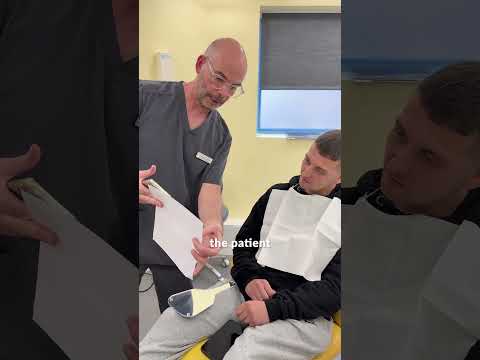
In this video, we talk through some of the reasons an amalgam filling might be replaced, and when leaving it alone may be the appropriate option.
#AmalgamFillings #SMARTAmalgamRemoval #DentalCare #EvolveDentistry

If you’re considering replacing an amalgam filling, you may have come across the term SMART.
SMART stands for Safe Mercury Amalgam Removal Technique. It is a protocol designed to reduce exposure to mercury vapour and particles while an amalgam filling is being removed.
At Evolve, SMART amalgam removal is available for adults who have made an informed decision to replace their amalgam fillings.
Importantly, we don’t suggest that everyone should have their amalgam fillings removed, and we don’t make claims that removing them will improve your general health.
In this video, we explain what the SMART approach involves and why someone might choose it.
#SMARTAmalgamRemoval #AmalgamFillings #DentalCare #EvolveDentistry
Why do dentists recommend fluoride toothpaste?
Because fluoride helps strengthen tooth enamel and makes teeth more resistant to decay.
It’s one of those small, everyday habits that can make a meaningful difference to your oral health over time.
In this short video, Yasmin explains why fluoride is recommended and why the toothpaste you use matters.
Simple advice, but an important part of looking after your teeth between appointments.
#OralHealth #Fluoride #DentalCare #PreventiveDentistry #EvolveDentistry
💚 A little perspective from Zambia…
Carol has shared some more photos from her volunteering trip, along with a statistic that really puts things into perspective.
🇿🇲 In Zambia, there are just 450 dentists for a population of 21 million people.
That’s approximately one dentist for every 47,000 people.
For many communities, accessing dental care is incredibly difficult, and treatment that we might take for granted here in the UK simply isn’t readily available.
It’s a powerful reminder of how important access to dental care is, and why trips like this can make such a difference.
We’re incredibly proud of Carol for giving her time and skills to help people who might otherwise struggle to receive the care they need.
And we’re loving seeing the photos and hearing about her experiences along the way! 💚
#EvolveDentistry #DentalVolunteering #Zambia #MakingADifference #Portishead
Evolve didn’t begin with a treatment list. It began with an idea about how going to the dentist could feel.
Carol wanted to create a practice where excellent dentistry and genuinely thoughtful patient care sat side by side. Somewhere people felt listened to, comfortable asking questions and involved in decisions about their care.
In this short video, Carol shares why she started Evolve and what she wanted to create.
Nearly 18 years later, that original idea still shapes the way we look after people every day.
#EvolveDentistry #OurStory #Portishead PatientCare
💚 WE’RE HIRING! Join our award-winning team! 💚
Patient Care Advisor | Evolve Dentistry, Portishead
We’re not just looking for someone to answer the phone and book appointments.
We’re looking for someone who LOVES people, takes pride in making others feel welcome and believes that exceptional customer service is all about the little things. ✨
At Evolve Dentistry, our Patient Care Advisors are at the heart of everything we do. From the first friendly hello to helping patients feel comfortable and cared for, you’ll play a huge part in creating the experience we’re so proud of.
And the best bit? You don’t need dental experience!
If you’ve worked in hospitality, customer service, reception or another people-focused role, we’d love to hear from you.
💚 What we’re offering:
✨ £14.50–£17.50 per hour, depending on experience
✨ A supportive, award-winning team
✨ A beautiful, modern working environment
✨ Training and development opportunities
✨ Staff dental discounts
✨ Team socials and celebrations
✨ A workplace where you’re genuinely valued
📅 Working hours:
Tuesday afternoons, Wednesdays, Thursdays and one Saturday per month.
We’re looking for someone who’s warm, organised, confident, positive and passionate about making a difference to people’s day.
Sound like you? We’d love to meet you!
📩 Email hello@evolve-dentistry.co.uk to request an application pack.
⏰ Applications close Friday 30 October 2026.
💚 Know someone who’d be perfect for our team? Tag them below or share this post with them!
#EvolveDentistry #WereHiring #PortisheadJobs #NorthSomersetJobs #DentalCareers #PatientCare #JoinOurTeam

 BannerText_Seraphinite Accelerator