Face
Face

 Dentistry
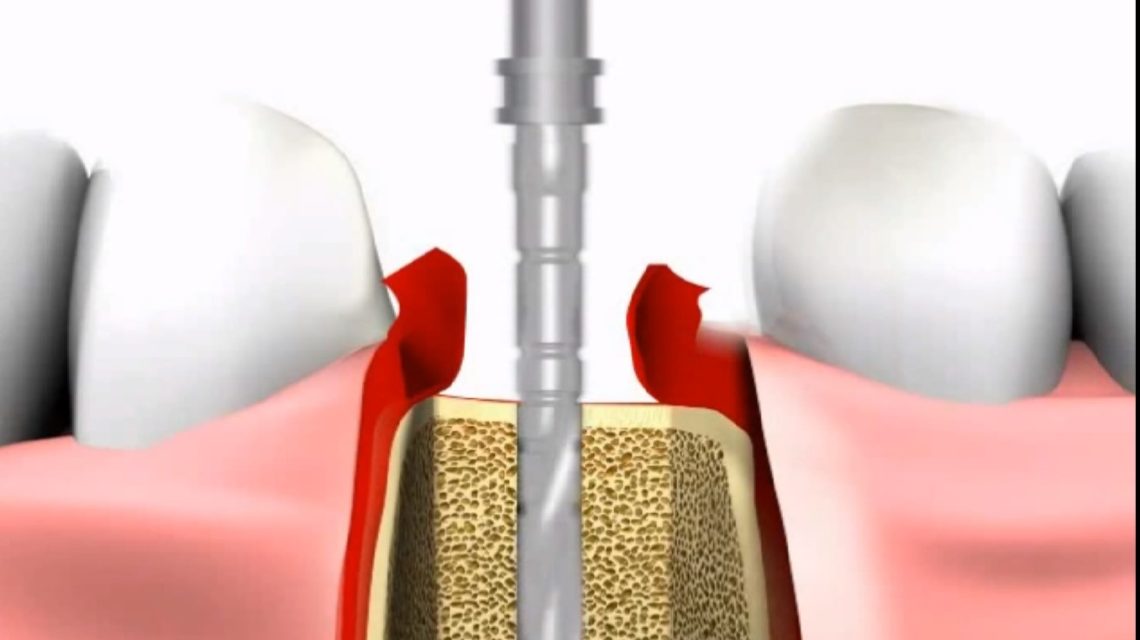
When people are looking to replace missing teeth with dental implants they are often worried about whether the procedure might hurt and if there is any discomfort, how much will there be? These are valid concerns and so this blog post is designed to take a look at these in more detail and answer these important questions.
As with many dental treatments it is often the thought of the treatment itself that is more painful than the reality; with modern equipment, techniques and materials dental pain has been significantly reduced in recent years.
The diagnostic stages for dental implants will almost certainly be totally comfortable as the procedure is minimally invasive. It simply involves using a soft wax to record the relationship between your top and bottom teeth and you should experience no pain whatsoever.
The actual placement of the dental implants will always be done under anesthetic, normally a local injection is required, although if you are especially nervous we can also offer dental sedation.
It’s important to remember that fear of the dentist can often be overcome by carefully explaining exactly what will be happening and why – no nasty surprises is what I tell my patients and then ensuring a comfortable and painless experience. Calmness- a pleasant non-threatening ambience and even background music all help.
Happy air which uses a mixture of oxygen and nitrous oxide carefully mixed or dosed to suit each individual will successfully overcome mild to moderate dental anxiety in about 95% of cases, our patients use a small, soft, sterile nose piece to breathe the air and nitrous oxide mix.
This starts before any treatment begins and with the mouth closed. Once relaxed and with a warm feeling of well-being, the mouth is opened when we ask. You are aware of what is happening, can speak to us if you wish but most people are just too calm and relaxed to be bothered. The happy air mix is breathed throughout the entire treatment and at the end; the mix is changed to 100% oxygen for 2-3 minutes. At the time you are sufficiently recovered and alert to return to the patient lounge.
We will make sure you are OK before you leave and this will only take a few more minutes.
We advice people not to drive for at least 30 minutes but returning to work is not a problem.
This involves a small injection and soft cannula inserted in the vein in the back of the hand or on the front of the arm at the bend of the elbow just like having a blood sample taken at the doctor. This will overcome most people’s moderate to severe anxiety and also help many phobics.
Intravenous Conscious Sedation (aka “IV sedation”) is also often called ‘sleep dentistry’ or ‘twilight dentistry’ although this is slightly confusing as you will not actually be asleep, rather you will be in your own twilight world where nothing at all matters – a very nice place to be!
You’ll also be able to understand and respond to requests from your dentist. Although most people report that they have little or no memory of what happened afterwards.
We recommend that you do not go back to work, drive or operate equipment after IV sedation plus you ought to have a chaperon to ensure that you return home safely afterwards.
Once the initial anesthetic has worn off it is likely that you will feel sore for a few days after having the implants placed. This is normally considered mild pain which can be controlled with over the counter pain reliever. If you experience more serious pain then you should always go back to your dentist and seek further advice from them.
This is one of the main reasons we recommend that you don’n go overseas for treatment, if you experience post operative dental implant pain and your dentist is thousands of miles away over seas, what do you do? Seeing an experienced UK dental implant dentist will ensure that this does not happen.
In some cases the dental implant will be placed in the normal way but will be underneath your gum and totally unseen whilst it integrates with the bone around it, ready to accept the new crown on top in a few months time.
If this is how your dental implant dentist chooses to work then you may have to go back to the practice to have the implant uncovered. This is a relatively minor procedure but may necessitate some more surgery and stitches which could result in mild pain afterwards.
If dental implants were a truly painful procedure then no patient would ever go ahead! The reality is that with the techniques used above the whole process can be relatively comfortable with only mild pain as the norm.
Evolve Dentistry is a dental practice in Portishead on the outskirts of Bristol offering dental implants as a a way to replace missing teeth for the people of Bristol, Portishead and Cleveland.

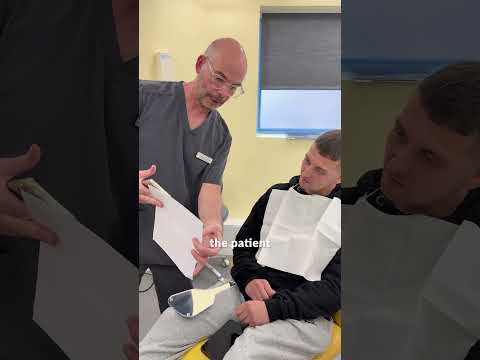
“You’ll never believe what comes off this chair after an appointment…”
Another beautiful, healthy smile.
Behind every appointment is a team working hard to make sure our practice is clean, comfortable and ready for the next patient.
Because great dentistry isn’t just about the treatment - it’s about the whole experience.
#Northsomerset #multiawardwinning #patientsatisfaction #patientsfirst #healthysmiles #healthysmile #naturalteeth #newpatients #acceptingnewpatients #portishead #portisheadmarina #nailsea #clevedon #dentist

“Will I still look like myself?”
It’s one of the biggest concerns patients have when considering facial aesthetics.
At Evolve, the focus is always on natural results - subtle changes that enhance your features without changing who you are.
Yasmin takes time to understand what you’d like to achieve and will always guide you honestly if something may not give a balanced, natural outcome.
You should still look like yourself - just refreshed and confident.
If you’ve been thinking about facial aesthetics but feel unsure, we’re here to help you explore your options.
📞 Contact reception to arrange a consultation
#Northsomerset #patientsatisfaction #patientsfirst #portishead #clevedon #nailsea #dentist #facialaesthetics #naturalresults #healthyskin #confidenceinmysmile #acceptingnewpatients
Do you grind your teeth at night?
In this video Maggie explains some of the common causes of tooth grinding, including stress, alignment of the teeth and certain sleep issues.
Grinding can lead to wearing of the enamel, jaw discomfort and headaches, so it’s important to have it checked.
In some cases a custom dental guard may be recommended to help protect your teeth while you sleep.
#TeethGrinding #DentalHealth #HealthySmile #PortisheadDentist 🦷
Thinking about straightening your teeth?
In this video, Yasmin explains Angel Aligners and why they can be a great option for both patients and clinicians.
Clear aligners are designed to gradually move teeth into a better position using a series of custom-made trays. They’re discreet, removable and allow you to continue eating, brushing and flossing as normal.
Angel Aligners also use advanced digital planning, helping us carefully plan each stage of treatment and achieve predictable results.
If you’ve been thinking about straighter teeth, our team at Evolve would be happy to talk you through the options.
#Northsomerset #multiawardwinning #patientsatisfaction #patientsfirst #straighterteetheveryday #straighterteeth #adultbraces #adultbracesuk #healthysmiles #healthysmile #naturalteeth #smilemakeovers #newpatients #acceptingnewpatients #portishead #portisheadmarina #nailsea #clevedon #dentist
💋 Smile hack: keep your lips hydrated
Healthy smiles aren’t just about teeth - your lips matter too.
In this quick smile hack, Kate shares why keeping your lips well hydrated can make a real difference. Dry, cracked lips can be uncomfortable and can make your smile feel less confident, especially in colder weather.
Using a good lip balm and keeping your lips moisturised helps them stay soft, comfortable and healthy.
Watch Kate’s quick tip for an easy way to look after your smile.
#SmileHack #HealthySmile #DentalTips #Portishead
✨ Smile transformation in action! ✨
Watch Emma share their journey with Invisalign and bonding — from their initial consultation to the confident, natural smile they have today.
At Evolve Dentistry, we tailor every treatment to your goals, lifestyle, and comfort, helping patients feel confident and proud of their smiles.
Thinking about straightening or enhancing your teeth? Let this story inspire your own smile journey.
💡 Pro tip: Every smile is unique — we focus on what’s right for you, not just what looks good on paper.
#Portishead #SmileJourney #Invisalign #DentalBonding #SmileConfidence #FamilyDentist #EvolveDentistry #NorthSomerset #DentalTransformation