Face

 Dentistry
If a tooth is badly damaged, inflamed or infected, you may find yourself considering two very different options:
Try to retain the tooth with root canal treatment – or remove it.
It is understandable to want someone to tell you which is “better”.
But that isn’t really the right question.
The better question is:
What are the reasonable options for this particular tooth, and what would each option mean for me?
Where a tooth is suitable for root canal treatment and can be appropriately restored afterwards, treatment may provide an opportunity to retain your natural tooth.
There are also situations where attempting to retain a tooth isn’t considered appropriate and extraction may be recommended.
The decision needs to be made after the tooth has been assessed.
Root canal treatment treats the inside of the tooth when the dental pulp has become inflamed, infected or damaged.
The affected tissue is removed and the root canal system is cleaned, shaped, filled and sealed.
The NHS explains that root canal treatment is used to treat infection inside a tooth and may avoid the need to remove it.
But the fact that root canal treatment is technically possible doesn’t automatically mean it is appropriate.
The rest of the tooth matters too.
This is one of the most important questions.
There needs to be enough appropriate tooth structure remaining for the tooth to be restored and function afterwards.
Your dentist or endodontist may therefore consider:
Root canal treatment addresses the root canal system.
It cannot make an otherwise unrestorable tooth restorable.
Extraction may be discussed where retaining the tooth isn’t considered appropriate or where the patient chooses removal after understanding the alternatives.
Reasons vary considerably.
For example, there may be:
Your clinician should explain the reason in relation to your tooth, rather than simply telling you that extraction is necessary without explanation.
Retaining natural teeth where appropriate is an important goal of dentistry.
But “natural tooth at any cost” isn’t a sensible rule.
Sometimes the amount or complexity of treatment required, the condition of the tooth or its ability to be restored means that trying to retain it may not be appropriate.
Equally, removing a tooth simply because extraction appears quicker doesn’t take account of what happens afterwards.
The decision needs to consider the whole picture.
Once a tooth is extracted, the next question is:
What happens to the space?
Depending on the tooth and your circumstances, options may include:
Not every missing tooth needs to be replaced, and not every replacement option is suitable for every person.
But if replacement is likely, it should form part of the original decision.
Comparing:
“root canal treatment versus extraction”
without considering:
“extraction plus what happens afterwards”
can give you an incomplete picture.
The immediate cost of an extraction may be lower than root canal treatment in some circumstances.
But the meaningful comparison is not necessarily just the price of those two procedures.
If you plan to replace the tooth afterwards, you also need to understand the potential cost and treatment involved in that.
Ask for the whole treatment pathway to be explained.
At Evolve, specialist endodontic fees will depend on the tooth and treatment required.
If treatment is recommended, the relevant fees will be explained before you decide whether to proceed.
Again, compare the complete pathways.
Root canal treatment may require more than one appointment and the tooth may subsequently need a restoration.
Extraction involves removing the tooth, but replacing it may require further appointments and treatment.
Your dentist can explain the likely pathway for the options available to you.
Fear is real, but it shouldn’t have to make the decision for you.
If your preference for extraction is largely because you’ve heard that root canal treatment is extremely painful, find out what treatment actually involves before deciding.
Root canal treatment is normally carried out using local anaesthetic.
Read: Does root canal treatment hurt?
You may still decide that extraction is right for you.
The important thing is that your choice is based on accurate information rather than somebody else’s frightening story.
This changes the question.
If a previously root-treated tooth develops a problem, possible options may include:
Which of these is appropriate depends on the cause of the problem and the condition of the tooth.
Read: My root canal hasn’t worked – can my tooth still be treated?
It can be useful where specialist endodontic assessment is appropriate.
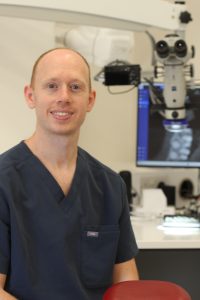
At Evolve, Dr Alex Brett, Specialist Endodontist, GDC no. 244328, can assess whether endodontic treatment is a reasonable option and explain relevant limitations and alternatives.
That does not mean he will always recommend root canal treatment.
Sometimes a valuable specialist opinion is that further endodontic treatment isn’t appropriate.
You can be referred by your dentist or self-refer directly to Evolve.
Rather than asking only:
“Which would you choose?”
try asking:
Understanding all four areas gives you a much better basis for deciding.
Reality: Retaining a natural tooth can be desirable, but root canal treatment isn’t appropriate for every tooth.
Reality: The extraction itself may be relatively straightforward, but you also need to consider the effect of losing the tooth and whether replacement is appropriate.
Reality: Specialist assessment may establish that treatment is inappropriate or that another option should be considered.
If you’re unsure whether further endodontic treatment is appropriate, you can arrange an assessment with Dr Alex Brett, Specialist Endodontist.
Self-referrals and dentist referrals welcome.
Speak to our team about an endodontic assessment
Or download:
Your guide to root canal treatment – what it means, what to expect and understanding your options

Deciding between root canal treatment and extraction isn’t always straightforward. The most appropriate option depends on the condition of your tooth, whether it can be restored and your individual circumstances.
At Evolve Dentistry in Portishead, we offer root canal treatment and specialist endodontic care with Dr Alex Brett. Our aim is to help you understand your options so you can make an informed decision about your dental care.
You can contact us directly for a specialist endodontic assessment, even if you usually attend another dental practice.
Helping you make the right decision for your tooth
When a tooth is badly damaged or infected, deciding whether to save it or have it removed can feel overwhelming.
At Evolve Dentistry, our Specialist Endodontist, Alex Brett, focuses on preserving natural teeth wherever possible.
Through a detailed assessment, which may include advanced imaging where clinically appropriate, Alex can evaluate the condition of your tooth and explain whether root canal treatment may be a suitable option.
Not every tooth can be saved, but understanding your options can help you make an informed decision about your dental health.
Find out more about root canal treatment at Evolve Dentistry
For independent patient information, see the NHS guide to root canal treatment.



Why do dentists recommend fluoride toothpaste?
Because fluoride helps strengthen tooth enamel and makes teeth more resistant to decay.
It’s one of those small, everyday habits that can make a meaningful difference to your oral health over time.
In this short video, Yasmin explains why fluoride is recommended and why the toothpaste you use matters.
Simple advice, but an important part of looking after your teeth between appointments.
#OralHealth #Fluoride #DentalCare #PreventiveDentistry #EvolveDentistry

💚 A little perspective from Zambia…
Carol has shared some more photos from her volunteering trip, along with a statistic that really puts things into perspective.
🇿🇲 In Zambia, there are just 450 dentists for a population of 21 million people.
That’s approximately one dentist for every 47,000 people.
For many communities, accessing dental care is incredibly difficult, and treatment that we might take for granted here in the UK simply isn’t readily available.
It’s a powerful reminder of how important access to dental care is, and why trips like this can make such a difference.
We’re incredibly proud of Carol for giving her time and skills to help people who might otherwise struggle to receive the care they need.
And we’re loving seeing the photos and hearing about her experiences along the way! 💚
#EvolveDentistry #DentalVolunteering #Zambia #MakingADifference #Portishead
Evolve didn’t begin with a treatment list. It began with an idea about how going to the dentist could feel.
Carol wanted to create a practice where excellent dentistry and genuinely thoughtful patient care sat side by side. Somewhere people felt listened to, comfortable asking questions and involved in decisions about their care.
In this short video, Carol shares why she started Evolve and what she wanted to create.
Nearly 18 years later, that original idea still shapes the way we look after people every day.
#EvolveDentistry #OurStory #Portishead PatientCare
💚 WE’RE HIRING! Join our award-winning team! 💚
Patient Care Advisor | Evolve Dentistry, Portishead
We’re not just looking for someone to answer the phone and book appointments.
We’re looking for someone who LOVES people, takes pride in making others feel welcome and believes that exceptional customer service is all about the little things. ✨
At Evolve Dentistry, our Patient Care Advisors are at the heart of everything we do. From the first friendly hello to helping patients feel comfortable and cared for, you’ll play a huge part in creating the experience we’re so proud of.
And the best bit? You don’t need dental experience!
If you’ve worked in hospitality, customer service, reception or another people-focused role, we’d love to hear from you.
💚 What we’re offering:
✨ £14.50–£17.50 per hour, depending on experience
✨ A supportive, award-winning team
✨ A beautiful, modern working environment
✨ Training and development opportunities
✨ Staff dental discounts
✨ Team socials and celebrations
✨ A workplace where you’re genuinely valued
📅 Working hours:
Tuesday afternoons, Wednesdays, Thursdays and one Saturday per month.
We’re looking for someone who’s warm, organised, confident, positive and passionate about making a difference to people’s day.
Sound like you? We’d love to meet you!
📩 Email hello@evolve-dentistry.co.uk to request an application pack.
⏰ Applications close Friday 30 October 2026.
💚 Know someone who’d be perfect for our team? Tag them below or share this post with them!
#EvolveDentistry #WereHiring #PortisheadJobs #NorthSomersetJobs #DentalCareers #PatientCare #JoinOurTeam
If you’re considering replacing an amalgam filling, you may have come across the term SMART.
SMART stands for Safe Mercury Amalgam Removal Technique. It is a protocol designed to reduce exposure to mercury vapour and particles while an amalgam filling is being removed.
At Evolve, SMART amalgam removal is available for adults who have made an informed decision to replace their amalgam fillings.
Importantly, we don’t suggest that everyone should have their amalgam fillings removed, and we don’t make claims that removing them will improve your general health.
Swipe through for a simple explanation of what the SMART approach involves.
#SMARTAmalgamRemoval #AmalgamFillings #DentalCare #EvolveDentistry
If you’ve never visited Evolve before, here’s a little look around.
We know that walking into a new dental practice can feel daunting, particularly if it’s been a while since your last appointment.
We’ve designed Evolve to feel calm, welcoming and a little different from what you might expect from a dental practice.
But the most important part isn’t the building. It’s how you’re made to feel when you’re here.
Come in, make yourself comfortable in our patient lounge and let us look after you.
#EvolveDentistry #Portishead #PortisheadDentist #DentalCare
Gum disease can be surprisingly easy to overlook.
Bleeding when you brush, red or swollen gums, persistent bad breath or gums that seem to be receding are all things worth paying attention to.
The important thing is not to wait until something hurts. Gum disease can develop without causing pain, which is one reason regular dental and hygiene appointments matter.
In this short video, Yasmin explains some of the signs to look out for.
If you’ve noticed a change in your gums, mention it at your next appointment or get in touch with the team.
#GumHealth #DentalHealth #PreventiveDentistry #EvolveDentistry

 BannerText_Seraphinite Accelerator