Face
Face

 Dentistry


💋 Smile hack: keep your lips hydrated
Healthy smiles aren’t just about teeth - your lips matter too.
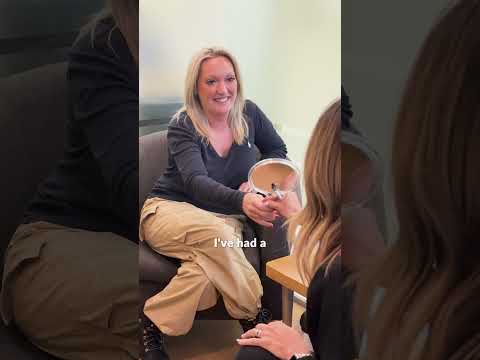
In this quick smile hack, Kate shares why keeping your lips well hydrated can make a real difference. Dry, cracked lips can be uncomfortable and can make your smile feel less confident, especially in colder weather.
Using a good lip balm and keeping your lips moisturised helps them stay soft, comfortable and healthy.
Watch Kate’s quick tip for an easy way to look after your smile.
#SmileHack #HealthySmile #DentalTips #Portishead

✨ Smile transformation in action! ✨
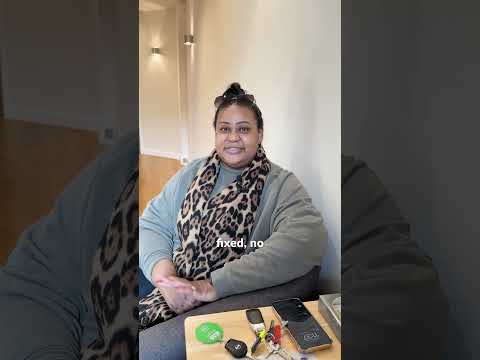
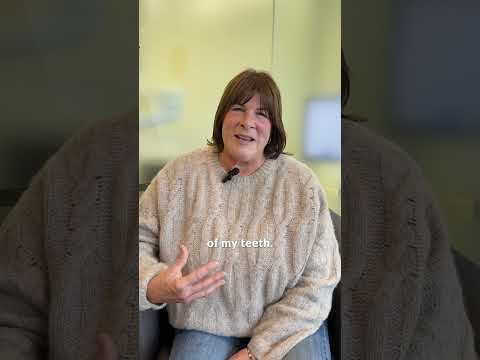
Watch Emma share their journey with Invisalign and bonding — from their initial consultation to the confident, natural smile they have today.
At Evolve Dentistry, we tailor every treatment to your goals, lifestyle, and comfort, helping patients feel confident and proud of their smiles.
Thinking about straightening or enhancing your teeth? Let this story inspire your own smile journey.
💡 Pro tip: Every smile is unique — we focus on what’s right for you, not just what looks good on paper.
#Portishead #SmileJourney #Invisalign #DentalBonding #SmileConfidence #FamilyDentist #EvolveDentistry #NorthSomerset #DentalTransformation
When should your child visit the dentist for the first time? 🦷👶
In this short video, we explain why early dental visits are so important, what to expect, and how starting young sets your child up for a lifetime of healthy, confident smiles.
At Evolve Dentistry, we make every visit calm, positive, and reassuring — because we know that first impressions last a lifetime.
Book your child’s first appointment today and give them the best start to their smile journey!
#Portishead #FamilyDentist #ChildrensDentistry #HealthySmiles #FirstDentalVisit #SmileConfidence #EvolveDentistry #NorthSomerset
Thinking about facial aesthetics but not sure if it’s right for you?
At Evolve, everything starts with a conversation.
During your consultation, Yasmin will take the time to understand:
• what you’d like to improve
• how you want to look and feel
• whether treatment is the right option for you
For some patients, treatment is the right next step.
For others, it might be something for the future - or not needed at all.
Our approach is always honest, supportive and centred around you.
If you’re curious about facial aesthetics, we’re here to help you explore your options with confidence.
📞 Contact reception to arrange a consultation
#Northsomerset #patientsatisfaction #patientsfirst #portishead #clevedon #nailsea #dentist #facialaesthetics #naturalresults #healthyskin #confidenceinmysmile #acceptingnewpatients
What is digital dentistry?
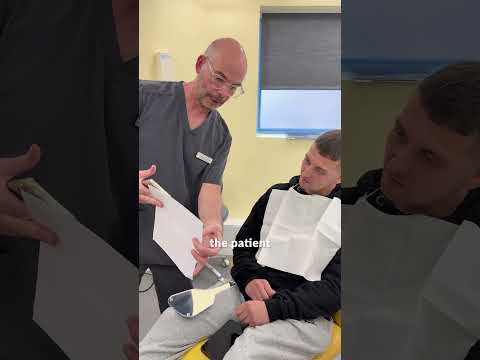
In this video, Richard explains how modern digital technology has changed the way we plan and deliver dental treatment.
Using digital scanners, we can create precise 3D images of your teeth without the need for traditional impressions. This makes the process more comfortable for patients and helps us plan treatment with a high level of accuracy.
It’s just one of the ways we use modern dentistry at Evolve to improve the patient experience.
#Northsomerset #multiawardwinning #patientsatisfaction #patientsfirst #naturalteeth #healthysmiles #healthysmile #newpatients #acceptingnewpatients #portishead #portisheadmarina #nailsea #clevedon #dentist
If you’re thinking about whitening your teeth, professional whitening is designed to be both safe and tailored to your smile.
At Evolve we offer express whitening, which involves an initial appointment for impressions and a gum and teeth check, followed by a hygienist visit where your teeth are cleaned, your trays are fitted and you receive your whitening gel.
If you’re interested in brightening your smile, our team would be happy to talk you through the options.
#ToothWhitening #HealthySmile #DentalCare #PortisheadDentist