Face
Face

 Dentistry
When it comes to maintaining a healthy smile, we often focus on brushing. While this is undoubtedly essential, there’s another unsung hero in dental care – interdental brushes. These play a crucial role in achieving optimal oral health.
Interdental brushes, are small, slender brushes designed to clean the spaces between your teeth and around dental appliances like braces, bridges, and implants. Unlike traditional toothbrushes which focus on the surfaces of your teeth, interdental brushes are specifically made to target the tight spaces where food particles, plaque, and bacteria tend to accumulate.
The importance of using interdental brushes:
Effective plaque removal: Plaque is a sticky film of bacteria that forms on your teeth throughout the day. If left there, it can lead to tooth decay, gum disease, and bad breath. Interdental brushes are great at removing plaque from hard-to-reach areas.
Prevention of gum disease: Gum disease, also known as periodontal disease, is a common dental problem that can have serious consequences if not treated promptly. Interdental brushes can help prevent gum disease by cleaning between teeth and along the gumline, where traditional brushing may fall short.
Ideal for dental appliances: If you have dental appliances such as braces, bridges, or implants, interdental brushes are invaluable. They can be used around wires and brackets to keep your teeth and gums clean, reducing the risk of issues arrising.
Fresh breath: Food particles trapped between teeth can lead to bad breath. Interdental brushes can effectively remove these particles, leaving your mouth feeling fresher and your breath smelling better.
Improved overall oral health: By incorporating interdental brushes into your daily oral care routine, you are taking a proactive step towards enhancing your overall oral health. These brushes are easy to use and provide an additional layer of protection against common dental problems.
How to Use Interdental Brushes:
Choose the right size: Select an interdental brush size that fits comfortably between your teeth. Your dentist or dental hygienist can help you determine the correct size. You may need a variety of sizes for the different sized spaces you have.
Insert gently: Insert the brush between your teeth, moving it back and forth without forcing it.
Clean all spaces: Use the interdental brush to clean between all your teeth, including the back molars. Pay special attention to areas where you feel resistance, as this is often where debris accumulates.
Rinse and replace: Rinse the brush after each use and replace it when the bristles start to show signs of wear and tear.
If you’d like to buy interdental brushes, pop into the practice, they are available at Reception.



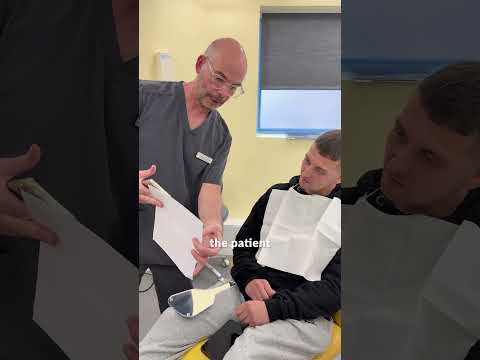
What is digital dentistry?
In this video, Richard explains how modern digital technology has changed the way we plan and deliver dental treatment.
Using digital scanners, we can create precise 3D images of your teeth without the need for traditional impressions. This makes the process more comfortable for patients and helps us plan treatment with a high level of accuracy.
It’s just one of the ways we use modern dentistry at Evolve to improve the patient experience.
#Northsomerset #multiawardwinning #patientsatisfaction #patientsfirst #naturalteeth #healthysmiles #healthysmile #newpatients #acceptingnewpatients #portishead #portisheadmarina #nailsea #clevedon #dentist

If you’re thinking about whitening your teeth, professional whitening is designed to be both safe and tailored to your smile.
At Evolve we offer express whitening, which involves an initial appointment for impressions and a gum and teeth check, followed by a hygienist visit where your teeth are cleaned, your trays are fitted and you receive your whitening gel.
If you’re interested in brightening your smile, our team would be happy to talk you through the options.
#ToothWhitening #HealthySmile #DentalCare #PortisheadDentist
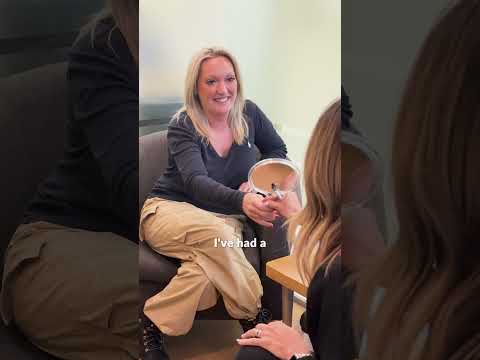
💄 Smile hack: make your smile look whiter
Want a simple trick to make your smile appear whiter?
In this smile hack, Carol shares a quick tip - try wearing a pink lipstick. The tones in pink shades can help create contrast with your teeth, which can make your smile appear brighter and whiter.
It’s a simple styling trick that can make a real difference when you’re heading out or getting ready for an event.
#SmileHack #HealthySmile #DentalTips #Portishead
World oral health day - small habits, big impact
Today is World Oral Health Day - a reminder that looking after your mouth is an important part of looking after your overall health.
Healthy teeth and gums don’t just help you smile with confidence. They support eating, speaking, and can even play a role in wider health and wellbeing.
Simple daily habits can make a real difference:
• brushing twice a day with fluoride toothpaste
• cleaning between your teeth
• limiting sugary snacks and drinks
• attending regular dental examinations
At Evolve, we’re here to help you keep your smile healthy for the long term, with advice and care tailored to you.
If it’s been a while since your last visit, today is a great time to get back on track.
📩 Get in touch with our reception team to book your next appointment
#WorldOralHealthDay #healthysmiles #healthysmile #patientsfirst #patientsatisfaction #multiawardwinning #dentist #acceptingnewpatients #Northsomerset #portishead #clevedon #nailsea #portisheadmarina
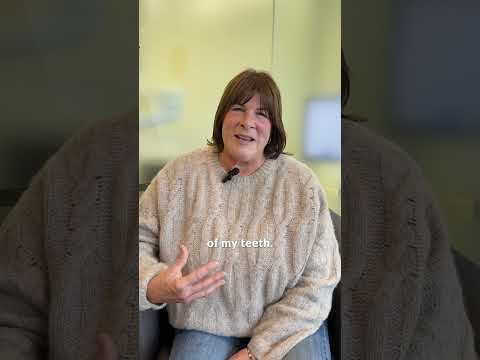
Laurie came to Evolve because she was unhappy with gaps between her teeth.
In this video, she shares her experience of having braces at the practice and how this has helped improve both the appearance of her smile and how her teeth meet together.
Teeth straightening treatment can address concerns such as spacing, crowding and bite issues, while also supporting long-term oral health.
If you’ve been thinking about straightening your teeth, a consultation at our practice can help you understand the options available.
#Braces #SmileJourney #Portishead #EvolveDentistry #Northsomerset #multiawardwinning #patientsatisfaction #patientsfirst #straighterteetheveryday #straighterteeth #newpatients #naturalteeth #healthysmiles #smilemakeovers #healthysmile #acceptingnewpatients #nailsea #portishead #clevedon #portisheadmarina #dentist #braces #adultbraces #adultbracesuk #gapsinteeth
Why do people grind their teeth?
In this video, Maggie explains some of the most common reasons people grind their teeth, particularly during sleep.
Grinding can be linked to things like stress, the alignment of your teeth or certain sleep issues. Over time it can lead to problems such as worn enamel, jaw pain and headaches.
If tooth grinding is causing problems, a custom dental guard may sometimes be recommended to help protect your teeth while you sleep.
Watch Maggie explain what to look out for and when it may be worth getting things checked.
#TeethGrinding #OralHealth #HealthySmile #PortisheadDentist
Clenching, headaches, pain when chewing… these can all be signs of TMJ problems.
In this video, Yasmin explains some of the common symptoms people experience and how treatments using neurotoxins can help relax the muscles around the jaw.
For some patients, this can reduce tension, relieve discomfort and improve day-to-day symptoms.
If you’ve been experiencing jaw pain or tension, it may be worth having a conversation about your options.
Book a consultation with our team at Evolve Face to learn more.
#TMJ #JawPain #FacialAesthetics #EvolveFace #Portishead