Face
Face

 Dentistry

As we approach Mental Health Awareness Week (12 th -18 th May) we asked registered Nutritionist, Ruth Seymour to explore the connection between dental & mental health.
When we think of mental health, we rarely consider how our oral health may be impacting on our mood, anxiety levels or risk of depression. But research increasingly shows that your mouth and mind are in a surprisingly tight relationship.
Your mouth isn’t just the start of the digestive tract—it’s also home to a teeming ecosystem of over 700 species of bacteria known as the oral microbiome. When in balance, this microbial mix helps protect against infection, supports your immune system, and even contributes to nitric oxide production, which helps regulate blood pressure and brain function. But just like in the gut, when this microbiome is disrupted or imbalanced – what researchers call oral dysbiosis – things can start to go downhill fast. A 2023 review in Frontiers in Cellular and Infection Microbiology explained that oral dysbiosis can contribute to systemic inflammation, which in turn plays a role in the development of depression, anxiety, and neurodegenerative diseases like Alzheimer’s.
Let’s talk about periodontitis, aka advanced gum disease. It’s not just about receding gums and bad breath. Periodontitis triggers chronic low-grade inflammation molecules that don’t stay put in your mouth. They travel. This matters because chronic inflammation is a known contributor to depression. A 2021 study looked at over 4,000 adults and found a significant association between periodontitis and higher depressive symptoms, even after adjusting for socioeconomic factors and health behaviours.
You’ve probably heard about your gut microbiome. But did you know you have a separate one in your mouth? However, the two don’t exist in isolation. What goes on in your oral microbiome also feeds into your gut microbiome. Swallowed saliva carries bacteria from your mouth to your gut daily. If your oral microbiome is out of whack, it can disrupt the gut microbiota too, setting off a chain reaction that affects the gut-brain axis—the superhighway connecting your digestive system and central nervous system. A 2022 review in Journal of Oral Microbiology noted that certain pathogenic oral bacteria like Porphyromonas gingivalis and Fusobacterium nucleatum can translocate to the brain or gut, contributing to neuroinflammation and cognitive decline.
Beyond biology, there’s also the emotional impact of poor dental health. Missing teeth, visible decay and bad breath can erode confidence, reduce social interactions, and increase the risk of isolation and loneliness, especially in older adults. A study from BMC Oral Health (2020) found that tooth loss was significantly associated with higher levels of depressive symptoms and lower self-esteem in middle-aged and older adults.
1. Brush and floss
Twice-daily brushing and daily flossing reduces plaque buildup and lowers the risk of gum disease, which reduces systemic inflammation.
2. Don’t skip check-ups
Your dentist isn’t just looking for cavities, they’re screening for early signs of inflammation, infection, or oral cancers. Routine cleanings also keep the microbiome in check.
3. Eat for oral and gut health
Diets high in sugar and refined carbs feed the bad bacteria in both your mouth and gut. Instead, focus on fibre-rich veggies, polyphenols (like those in berries and green tea), and fermented foods for a healthy microbiome ecosystem.
4. Stay hydrated
Dry mouth equals bad bacteria paradise. Drink plenty of water.
5. Avoid antibacterial mouthwashes
Unless prescribed, skip daily use of strong antimicrobial mouthwashes. These can kill off beneficial bacteria and worsen oral dysbiosis.
6. Manage Stress
Stress doesn’t just affect your mind—it weakens your immune system and can worsen gum inflammation. Daily mindfulness, breathwork, exercise, or therapy can help.
So, the next time you’re brushing your teeth, remember you aren’t just keeping your teeth shiny, you’re supporting a whole ecosystem of crucial bacteria that help support your mental wellbeing too.
If you’d like to book a free 20-minute chat with Ruth to discuss how nutrition and lifestyle changes may support your health challenges you can do so here. Find our more on Ruth’s
website www.rootandrenewnutrition.co.uk



Do you grind your teeth at night?
In this video Maggie explains some of the common causes of tooth grinding, including stress, alignment of the teeth and certain sleep issues.
Grinding can lead to wearing of the enamel, jaw discomfort and headaches, so it’s important to have it checked.
In some cases a custom dental guard may be recommended to help protect your teeth while you sleep.
#TeethGrinding #DentalHealth #HealthySmile #PortisheadDentist 🦷

Thinking about straightening your teeth?
In this video, Yasmin explains Angel Aligners and why they can be a great option for both patients and clinicians.
Clear aligners are designed to gradually move teeth into a better position using a series of custom-made trays. They’re discreet, removable and allow you to continue eating, brushing and flossing as normal.
Angel Aligners also use advanced digital planning, helping us carefully plan each stage of treatment and achieve predictable results.
If you’ve been thinking about straighter teeth, our team at Evolve would be happy to talk you through the options.
#Northsomerset #multiawardwinning #patientsatisfaction #patientsfirst #straighterteetheveryday #straighterteeth #adultbraces #adultbracesuk #healthysmiles #healthysmile #naturalteeth #smilemakeovers #newpatients #acceptingnewpatients #portishead #portisheadmarina #nailsea #clevedon #dentist
💋 Smile hack: keep your lips hydrated
Healthy smiles aren’t just about teeth - your lips matter too.
In this quick smile hack, Kate shares why keeping your lips well hydrated can make a real difference. Dry, cracked lips can be uncomfortable and can make your smile feel less confident, especially in colder weather.
Using a good lip balm and keeping your lips moisturised helps them stay soft, comfortable and healthy.
Watch Kate’s quick tip for an easy way to look after your smile.
#SmileHack #HealthySmile #DentalTips #Portishead
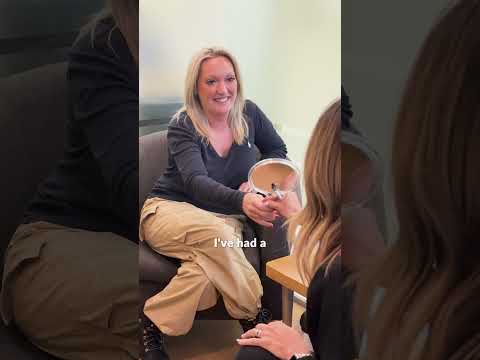
✨ Smile transformation in action! ✨
Watch Emma share their journey with Invisalign and bonding — from their initial consultation to the confident, natural smile they have today.
At Evolve Dentistry, we tailor every treatment to your goals, lifestyle, and comfort, helping patients feel confident and proud of their smiles.
Thinking about straightening or enhancing your teeth? Let this story inspire your own smile journey.
💡 Pro tip: Every smile is unique — we focus on what’s right for you, not just what looks good on paper.
#Portishead #SmileJourney #Invisalign #DentalBonding #SmileConfidence #FamilyDentist #EvolveDentistry #NorthSomerset #DentalTransformation
When should your child visit the dentist for the first time? 🦷👶
In this short video, we explain why early dental visits are so important, what to expect, and how starting young sets your child up for a lifetime of healthy, confident smiles.
At Evolve Dentistry, we make every visit calm, positive, and reassuring — because we know that first impressions last a lifetime.
Book your child’s first appointment today and give them the best start to their smile journey!
#Portishead #FamilyDentist #ChildrensDentistry #HealthySmiles #FirstDentalVisit #SmileConfidence #EvolveDentistry #NorthSomerset
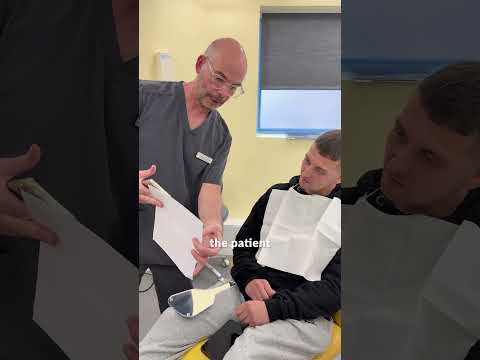
Thinking about facial aesthetics but not sure if it’s right for you?
At Evolve, everything starts with a conversation.
During your consultation, Yasmin will take the time to understand:
• what you’d like to improve
• how you want to look and feel
• whether treatment is the right option for you
For some patients, treatment is the right next step.
For others, it might be something for the future - or not needed at all.
Our approach is always honest, supportive and centred around you.
If you’re curious about facial aesthetics, we’re here to help you explore your options with confidence.
📞 Contact reception to arrange a consultation
#Northsomerset #patientsatisfaction #patientsfirst #portishead #clevedon #nailsea #dentist #facialaesthetics #naturalresults #healthyskin #confidenceinmysmile #acceptingnewpatients