Face

 Dentistry

We all have things we keep meaning to do. Booking a dental appointment, asking about a troublesome tooth or finally exploring treatment we’ve been considering for years can easily slip down the list.
Perhaps life has been particularly busy. Maybe you’re worried about what treatment might involve, how much it could cost or whether it might be uncomfortable. Or perhaps you’ve noticed something that doesn’t feel quite right but are hoping it will settle down on its own.
Whatever your reason, you’re certainly not alone.
At Evolve Dentistry in Portishead, we understand that taking the first step isn’t always easy. But when it comes to your oral health, addressing concerns early can often make a real difference.
And sometimes, that first step is simply having a conversation.
There are lots of reasons why people delay visiting the dentist or going ahead with recommended treatment.
Dental anxiety
For some people, the thought of dental treatment brings feelings of nervousness or anxiety. This might be linked to a previous experience, concerns about discomfort or simply feeling unsure about what to expect.
Busy lives
Between work, family and everyday commitments, it’s easy to prioritise everything else. When a dental concern isn’t causing pain, booking an appointment might not feel particularly urgent.
Worries about cost
Uncertainty about treatment costs can also be a barrier. Some people worry that discussing a problem will automatically lead to expensive treatment.
Feeling embarrassed
If it’s been a while since your last appointment, you might feel uncomfortable about the condition of your teeth or worry about what your dentist will think.
Hoping the problem will go away
A sensitive tooth, occasional bleeding gums or mild discomfort might seem manageable, particularly if symptoms come and go.
But while some symptoms have relatively straightforward explanations, others can indicate problems that need attention.
Whatever is holding you back, it’s worth remembering that an appointment doesn’t mean you have to commit to treatment immediately. It’s an opportunity to understand what’s happening and explore your options.
One of the challenges with dental health is that problems don’t always cause pain in their early stages.
Tooth decay, gum disease and other oral health conditions can develop gradually, sometimes without noticeable symptoms.
Regular dental examinations help identify changes that might otherwise go unnoticed.
For example, a small area of tooth decay may be manageable with a filling. If the decay progresses and reaches the nerve inside the tooth, more complex treatment, such as root canal treatment or extraction, may become necessary.
Similarly, early gum disease can often be managed with improvements to oral hygiene and appropriate professional care. If left untreated, it may progress and affect the structures supporting your teeth.
Not every dental concern will become serious, but having it assessed gives you the information you need to make an informed decision.
The earlier a problem is identified, the more treatment options may be available.
It’s not always obvious when something needs checking. Here are five common signs that it’s worth arranging a dental appointment.
If your gums bleed when brushing or flossing, it’s tempting to assume you’ve simply brushed too hard.
However, bleeding gums can be an early sign of gum inflammation or gum disease.
Healthy gums generally shouldn’t bleed during routine brushing, so persistent bleeding is worth investigating.
A brief sensation when eating something particularly cold isn’t always a cause for concern.
However, sensitivity that persists, becomes more frequent or affects a particular tooth could indicate enamel wear, exposed root surfaces, tooth decay or another dental problem.
Identifying the cause is important because different types of sensitivity require different approaches.
A small chip might not seem particularly important, especially if it isn’t painful.
However, cracks can sometimes extend further into a tooth than is visible, and damaged areas may become more vulnerable to further problems.
An examination can help determine whether treatment is needed to protect the tooth.
Do you wake up with an aching jaw? Notice yourself clenching your teeth during the day? Or experience recurring headaches around your temples?
These symptoms can sometimes be associated with teeth grinding, jaw clenching or temporomandibular disorders (TMD).
There are several possible causes of jaw discomfort and headaches, so an assessment can help establish whether your teeth or jaw may be contributing.
Persistent ulcers, unexplained lumps, red or white patches, or other unusual changes in your mouth should always be checked.
Most changes won’t be caused by anything serious, but it’s important not to ignore them.
In particular, an ulcer that hasn’t healed within three weeks should be assessed promptly by a dentist or GP.
If you haven’t visited a dentist for some time, you might feel apprehensive about returning.
Perhaps you’re worried that you’ll need extensive treatment, or that you’ll be judged for not attending sooner.
At Evolve Dentistry, our focus is on understanding your current oral health and helping you move forward.
Your first appointment is an opportunity for us to get to know you, listen to your concerns and assess your teeth, gums and overall oral health.
Depending on your individual needs, this may include:
If treatment is recommended, we’ll explain why, what it involves and the available alternatives.
You’ll have the opportunity to ask questions and consider your options before making any decisions.
You don’t need to have all the answers before coming to see us. That’s what we’re here to help with.
Dental anxiety is more common than you might think, and it can affect people who have attended regularly for years as well as those who haven’t visited a dentist for a long time.
Sometimes, anxiety comes from a previous experience. For others, it’s the uncertainty of not knowing what will happen.
We believe that feeling listened to and having a clear understanding of your treatment can make a meaningful difference.
At Evolve, we take time to understand your concerns and explain what to expect.
If there’s something that makes dental appointments particularly difficult for you, please tell us. Whether you’re worried about discomfort, embarrassed about your teeth or simply feeling overwhelmed, knowing how you feel helps us support you.
You can ask questions, discuss your concerns and take the time you need to understand your options.
Our aim is to help you feel informed, involved and comfortable with the decisions you make about your dental care.
Not necessarily.
Some dental concerns remain stable for long periods, and not every problem requires immediate intervention.
However, certain conditions can progress if left untreated.
For example, early tooth decay may sometimes be managed with preventive measures or a relatively straightforward restoration. More advanced decay may require additional treatment.
The same principle applies to gum disease, where identifying and managing inflammation early can help protect long-term gum health.
The difficulty is that you can’t always tell how serious a problem is simply by how it feels.
Pain isn’t always a reliable indicator of dental health.
That’s why regular examinations and timely assessments are so valuable.
We understand that cost is an important consideration when making decisions about dental care.
It’s also one of the reasons some people delay seeking advice.
However, attending an appointment to discuss a concern doesn’t mean you’re committing to a particular treatment.
If treatment is recommended, we’ll explain the available options and associated costs so that you can make an informed decision.
We can discuss finance options with you to help spread the cost.
Having a clear understanding of your options is often much better than worrying about what treatment might cost without knowing what’s actually required.
At Evolve Dentistry, we believe that dental care should consider the person, not just their teeth.
Your oral health can influence how comfortably you eat, speak and smile. Persistent dental discomfort can also affect sleep, confidence and everyday quality of life.
Equally, factors such as stress, lifestyle, medical conditions and daily habits can influence your oral health.
That’s why we take a personalised approach, considering your individual circumstances, concerns and long-term goals.
Whether you’re looking to maintain a healthy smile, address an ongoing problem or explore treatment that could improve your confidence, we’re here to help you understand your choices.
If there’s something you’ve been putting off, whether it’s a routine examination, a concern about your gums or treatment you’ve been considering for some time, we’d encourage you to get in touch.
You don’t have to wait until something hurts.
And you don’t need to know exactly what treatment you might need.
At Evolve Dentistry in Portishead, we’re here to listen, answer your questions and help you make decisions that feel right for you.
Because looking after your smile today can help protect it for the future.
Whether you’re an existing patient with a concern or haven’t visited a dentist for some time, our friendly team would be happy to help.
Book an appointment at Evolve Dentistry



🎉 10 years of Hannah at Evolve! 💚
A whole decade of being part of the Evolve family!
This month, we’re celebrating a very special milestone as Hannah marks 10 years with us.
Ten years of looking after patients, working alongside the team and being part of everything that makes Evolve what it is today.
We’re so grateful for the care, commitment and personality Hannah brings to the practice.
Thank you for everything you do, Hannah. Here’s to 10 wonderful years! 🥂
Please join us in congratulating Hannah in the comments! 💚

Have you ever wondered whether orthodontic treatment might be worth exploring?
It isn’t only about having perfectly straight teeth.
You might decide to ask about adult braces because:
• you feel self-conscious about crowded or overlapping teeth
• gaps bother you
• your bite doesn’t feel quite right
• teeth have moved since you had braces when you were younger
• cleaning between crowded teeth is difficult
• you avoid smiling in photographs
• you simply want to understand what could be possible
None of these automatically means you need braces.
A consultation is simply a chance to understand your smile, discuss what you’d like to change and find out whether orthodontic treatment is appropriate for you.
#AdultBraces #Orthodontics #SmileConfidence #EvolveDentistry
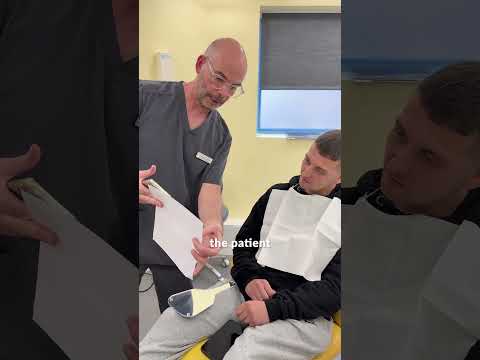
Do you clench or grind your teeth without realising?
For some people it happens during sleep. Others notice themselves clenching when they’re concentrating or under pressure.
Over time, tooth grinding can contribute to worn or chipped teeth, jaw discomfort, headaches or sensitivity.
Richard explains some of the common reasons people grind their teeth and why it’s worth mentioning if you think you might be doing it.
There isn’t one solution that’s right for everybody, so the first step is understanding what’s happening in your individual case.
#Bruxism #ToothGrinding #DentalHealth #EvolveDentistry
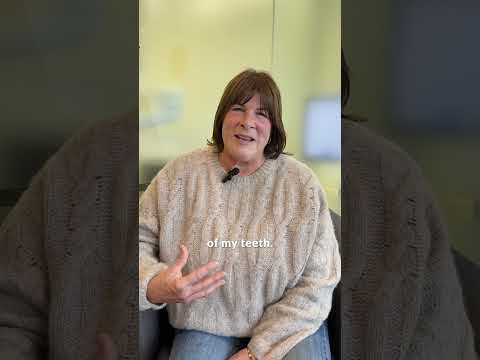
Of course we care about what happens to your teeth.
But we care about how you feel while you’re here, too.
Whether you’re visiting for a routine Healthy Mouth Review, considering a change to your smile or coming to see us because something is worrying you, we want you to feel listened to, informed and comfortable asking questions.
In this short video, Carol talks about the experience she wants every patient to have at Evolve.
Because good dentistry isn’t only about the treatment. It’s about the person receiving it.
#PatientCare #EvolveDentistry #PortisheadDentist #DentalCare
Having amalgam fillings doesn’t automatically mean they need to be replaced.
If a filling is sound and the tooth is healthy, there may be no dental reason to remove it.
Some adults choose to explore replacement because a filling is failing, because of its appearance, or because they have made a personal decision that they would prefer an alternative material.
What matters is having the information you need to make an informed choice.
In this video, we talk through some of the reasons an amalgam filling might be replaced, and when leaving it alone may be the appropriate option.
#AmalgamFillings #SMARTAmalgamRemoval #DentalCare #EvolveDentistry
If you’re considering replacing an amalgam filling, you may have come across the term SMART.
SMART stands for Safe Mercury Amalgam Removal Technique. It is a protocol designed to reduce exposure to mercury vapour and particles while an amalgam filling is being removed.
At Evolve, SMART amalgam removal is available for adults who have made an informed decision to replace their amalgam fillings.
Importantly, we don’t suggest that everyone should have their amalgam fillings removed, and we don’t make claims that removing them will improve your general health.
In this video, we explain what the SMART approach involves and why someone might choose it.
#SMARTAmalgamRemoval #AmalgamFillings #DentalCare #EvolveDentistry

 BannerText_Seraphinite Accelerator