Face
Face 
 Dentistry
Maintaining good oral health is crucial, and sometimes, your teeth and gums may be trying to tell you that it’s time for a dental visit. Ignoring potential warning signs can lead to more serious problems, so it’s essential to recognise when professional care is needed. Here are the top five signs that indicate you should schedule an appointment with your dentist as soon as possible.
1. Persistent Tooth Pain or Sensitivity
Why It’s a Problem
Ongoing tooth pain or sensitivity to hot, cold, or sweet foods can be a sign of decay, infection, or even an exposed nerve. If left untreated, the problem can worsen, potentially leading to more invasive treatments like root canals or extractions.
What to Do
See your dentist immediately if you experience persistent discomfort. Early intervention can save your tooth and prevent further complications.
2. Bleeding or Swollen Gums
Why It’s a Problem
Bleeding, swollen, or tender gums are common signs of gum disease, such as gingivitis or periodontitis. If left untreated, gum disease can lead to tooth loss and impact overall health.
What to Do
Regular brushing, flossing, and professional cleanings can help, but if symptoms persist, a dental check-up is necessary to prevent further progression of gum disease.
3. Bad Breath or a Bad Taste in Your Mouth
Why It’s a Problem
Chronic bad breath (halitosis) or an unpleasant taste in your mouth can be signs of infection, gum disease, or trapped food particles that brushing alone can’t remove.
What to Do
A professional dental cleaning can remove plaque buildup, and your dentist can determine if an underlying issue needs to be addressed.
4. Loose or Shifting Teeth
Why It’s a Problem
If your teeth feel loose or are shifting out of place, it could indicate bone loss due to gum disease or an underlying condition. This can lead to more serious oral health issues if not treated promptly.
What to Do
Schedule a dental visit as soon as possible to determine the cause and explore treatment options to preserve your teeth.
5. Sores, Lumps, or Patches in Your Mouth
Why It’s a Problem
Unusual sores, lumps, white or red patches in the mouth that don’t heal within two weeks may be a sign of an infection or, in rare cases, oral cancer. Early detection is critical for effective treatment.
What to Do
If you notice any unexplained changes in your mouth, visit your dentist for a thorough evaluation and peace of mind.
Don’t Ignore the Warning Signs
Regular dental check-ups can help prevent minor issues from becoming major problems. If you’re experiencing any of these signs, book an appointment with Evolve Dentistry today. Your smile—and your overall health—depend on it!
Check out our CQC report


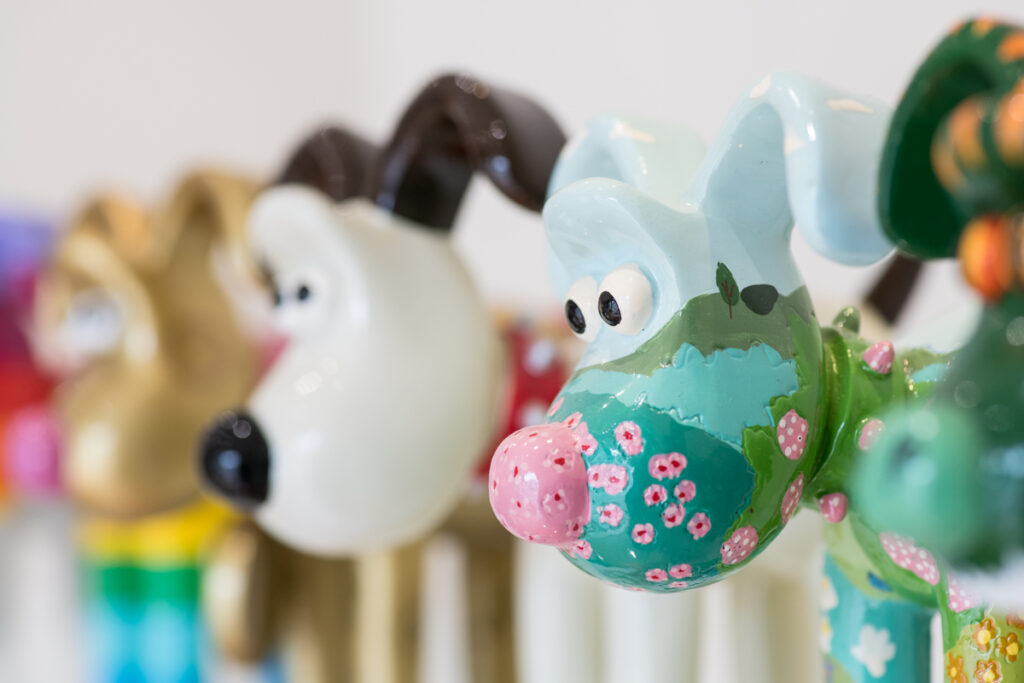
Can you spot the odd object? 🔍
This summer, we’re proud to be taking part in the RNLI Portishead Lifeboat Station Spot the Odd Object trail! 🚤❤️
From 25 July to 29 August, explore Portishead, visit participating businesses and see if you can spot the mystery object hidden in each window - including ours here at Evolve Dentistry!
Not only is it a great way to enjoy a family day out, but every £5 entry helps support the incredible volunteers at RNLI Portishead Lifeboat Station, who work tirelessly to help keep people safe at sea.
📍 Visit our practice and see if you can find our hidden object.
👀 Don’t forget to complete your entry form for your chance to win one of the fantastic cash prizes!
If you take part, we’d love to see your photos - tag Evolve Dentistry and let us know when you’ve found our mystery object!
Good luck… and happy spotting! 🔎💙
#Portishead #RNLI #SpotTheOddObject #SupportLocal #FamilyFun #EvolveDentistry #PortisheadEvents #SummerHolidays

Will composite bonding damage my teeth?
It’s a common concern, especially for patients who want to improve their smile while protecting their natural teeth.
The good news is that composite bonding is often one of the most conservative cosmetic dental treatments available. In many cases, little or no preparation of the tooth is required, meaning your natural tooth structure can be preserved.
Composite bonding can be used to improve the appearance of:
✔ Chipped teeth
✔ Small gaps between teeth
✔ Uneven tooth shapes
✔ Worn edges
✔ Minor imperfections
Because the treatment is minimally invasive, many patients choose composite bonding when they want to enhance their smile without significant changes to their natural teeth.
Every smile is unique, so we’ll always discuss your options and explain exactly what’s involved before any treatment begins.
📍 Evolve Dentistry, Portishead
#Northsomerset #multiawardwinning #patientsatisfaction #patientsfirst #compositebonding #smilemakeovers #cosmeticdentistry #newpatients #naturalteeth #healthysmiles #healthysmile #acceptingnewpatients #nailsea #portishead #clevedon #portisheadmarina #dentist #smiledesign #bonding #confidentsmile #cosmeticsmile
Reading comments like this reminds us why we do what we do.
Helping people feel comfortable and cared for is just as important as providing great dentistry.
Thank you for your kind words.
You could be grinding your teeth every night… without even knowing it. 😴
Many people assume they’d know if they were clenching or grinding their teeth.
In reality, most don’t.
As Richard explains, while we’re asleep our brains continue processing the events and stresses of the day. For some people, that stress is released through clenching or grinding their teeth - but because the part of the brain that would normally recognise it is effectively switched off during sleep, we often have no idea it’s happening.
Over time, tooth grinding can contribute to:
• Worn or chipped teeth
• Jaw pain or stiffness
• Morning headaches
• Sensitive teeth
• Disrupted sleep
If you’ve noticed any of these symptoms, it’s worth mentioning them at your next appointment. We can look for the signs of tooth grinding and discuss ways to help protect your teeth before more damage occurs.
Have you ever been told you grind your teeth, or has someone heard you doing it while you sleep?
#ToothGrinding #Bruxism #HealthySmile #DentalHealth #Portishead #EvolveDentistry
✨ Looking for a role where people matter?
We’re searching for a new Front of House Team Member to join our award-winning team at Evolve Dentistry.
This isn’t just about answering the phone or booking appointments.
It’s about creating the kind of welcome that makes people feel relaxed from the moment they walk through our doors. It’s remembering the little things, taking pride in every interaction and helping deliver an experience that patients genuinely talk about.
If you’re warm, organised, love looking after people and enjoy being part of a supportive team, we’d love to hear from you.
Experience in dentistry isn’t essential. We’re looking for the right person with the right attitude - someone who genuinely enjoys making a difference to someone’s day.
If that sounds like you, or someone you know, we’d love to hear from you - hello@evolve-dentistry.co.uk
📍 Portishead
💙 Award-winning team culture
☕ Every patient welcomed like a guest
Please share this post with anyone who might be the perfect fit.
🚦 Travelling to Evolve? Please allow a little extra time.
If you’re visiting us over the next few weeks, please be aware that there are temporary traffic lights on the Portbury Hundred until 10th August, which are causing delays, particularly at busier times of the day.
We’d hate for your journey to add any unnecessary stress, so if you have an appointment with us, we’d recommend allowing a little extra travel time.
If you think you may be delayed, please give our reception team a call and we’ll do everything we can to help.
Thank you for your patience, and we look forward to welcoming you to the practice. 💙
“Great patient focus and excellent staff and facilities.”
Those few words mean a great deal to us.
Because creating an exceptional experience isn’t just about modern facilities - it’s about making every person who walks through our doors feel welcomed, listened to and genuinely cared for.
Every interaction matters, from your first phone call to the moment you leave the practice.
Thank you to everyone who shared their feedback in our recent patient survey. Your kind words remind us why we do what we do, and inspire us to keep making every experience the best that it can be. 💙
#EvolveDentistry #PatientExperience #PatientFeedback #Portishead #Compassion #ExceptionalCare