Face
Face 
 Dentistry
The short answer: Several amalgam fillings can sometimes be removed during the same appointment, but this is not automatically the best approach. The decision depends on the teeth involved, the size of the restorations, what will replace them, appointment length and your comfort.
Many adults who have amalgam restorations have more than one.
Some may have several fillings placed many years apart.
Others may have multiple restorations in the same area of the mouth.
If you are considering treatment, it is natural to ask whether everything can simply be done at once.
Sometimes it can.
Sometimes it is better not to.
Before deciding how many restorations to remove at one appointment, we first need to decide which restorations should be removed at all.
If you have six amalgam fillings, it does not automatically follow that all six need treatment.
Carol or Maggie will assess each tooth individually.
The outcome might be:
This prevents treatment from becoming a blanket “remove everything” exercise.
Fillings close together may sometimes be practical to treat during the same visit.
Treating several separate areas of the mouth may create a longer or more complicated appointment.
Several small restorations are different from several very large restorations.
Large restorations may require considerably more time to remove and rebuild.
This is extremely important.
Some teeth may be suitable for direct composite restorations.
Others may require:
That affects both treatment sequence and appointment length.
Some patients are happy with a longer appointment.
Others prefer treatment broken into shorter sessions.
Neither approach is inherently better.
The areas being treated and the anaesthetic required also influence how appointments are planned.
A tooth with a modest filling is very different from one that is heavily restored or structurally compromised.
Not necessarily.
A shorter overall treatment period may sound appealing, but there can be disadvantages to trying to do too much at once.
A very long appointment can become tiring.
It can also mean:
The goal is to complete treatment efficiently without compromising comfort or clinical care.
Long dental appointments can be tiring, particularly for nervous patients.
It can be sensible to treat teeth in one area before moving to another.
Some teeth may need a different type of restoration.
If you have not previously had SMART amalgam removal, beginning with a smaller amount of treatment can sometimes help you understand the experience before planning longer appointments.
Treatment can also be planned around work and personal commitments.
If several silver restorations are visible and you are considering cosmetic replacement, each tooth still needs individual assessment.
It is possible that some may be straightforward to replace while others would require more substantial treatment.
The aesthetic benefit should be weighed against the implications of removing each functioning restoration.
You do not have to make an all-or-nothing decision.
Yes.
Several amalgam restorations do not necessarily all need to be replaced in the same way.
For example:
The treatment plan should respond to each tooth rather than imposing the same solution everywhere.
After assessment, Carol or Maggie can create a treatment plan showing:
This gives you a much clearer picture than simply counting the number of fillings.
Some patients with multiple restorations prefer treatment spread over several visits because it feels more manageable.
Others prefer to combine treatment where clinically appropriate.
There is no single “right” number of fillings per appointment.
The right approach is the one that works clinically and practically for you.
Reality: Each restoration should be assessed individually.
Reality: Sometimes staging treatment produces a more manageable and clinically logical plan.
Reality: Different teeth may need different restorative solutions.
Reality: You can make decisions tooth by tooth and stage elective treatment if appropriate.
There is no universal number. It depends on the size and position of the restorations, what will replace them and how long the appointment would become.
Sometimes. This may be practical depending on the teeth being treated and the overall treatment plan.
No. Treatment is not an all-or-nothing process.
Your preferences are considered when treatment is planned, provided the sequence remains clinically appropriate.
If several amalgam restorations are being removed using the SMART protocol, the relevant precautions are applied during the amalgam-removal stages.
Read:
How long does amalgam removal take?
What can replace an amalgam filling?
How much does SMART amalgam removal cost?
Or return to:
Amalgam removal using the SMART protocol
Our complete patient guide includes questions to help you plan treatment if you have several restorations.
Download your guide to SMART amalgam removal
Carol or Maggie can assess each restoration and help you decide what, if anything, should be treated.
Arrange an amalgam consultation
For general information about dental fillings and restorative treatment
Read our CQC report



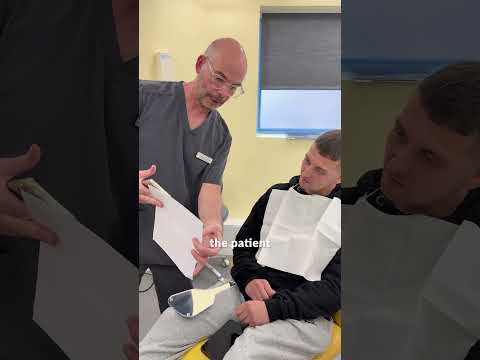
Why is my dentist taking photographs of my teeth?
“Why are you taking photographs of my teeth?”
A perfectly reasonable question.
Dental photographs aren`t just for before-and-afters.
They can help us record what we`re seeing, monitor changes, explain things more clearly and involve you in conversations about your own teeth.
Richard explains why you might see a camera appear during an appointment at Evolve.
Because when we`re talking about your mouth, we think it`s rather useful if you can see what we`re talking about too.

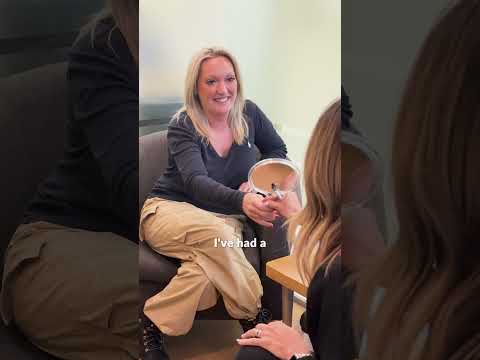
There`s more to a smile transformation than two photographs
A before-and-after shows you two moments.
What it doesn`t show is everything that happened between them.
The conversations. The planning. What the patient wanted to change. The different options considered. And the decisions about what not to change.
That`s why we think the story behind a smile is every bit as interesting as the finished result.
Every patient is different - and every treatment plan should be too.
Here`s one of the lovely transformations we`ve had the privilege of being part of at Evolve. 💚
What actually happens during a dental examination?
If it’s been a while since your last dental examination, not knowing what to expect can sometimes make booking that appointment feel like a much bigger deal.
So what actually happens when you come in?
Richard explains what your dentist is looking for during a dental examination - and why it involves much more than simply checking whether you need a filling.
Regular examinations give us an opportunity to keep an eye on your teeth, gums and mouth, talk about anything that has changed and identify anything that may need our attention.
And if you haven’t been for a while? Please don’t feel embarrassed.
We’re simply pleased you’ve decided to come and see us.
🦷 We’re hiring - Dental Nurse | Portishead
We’re looking for a lovely new person to join our award-winning team at Evolve Dentistry.
You could be an experienced or newly qualified Dental Nurse, already in training, or looking for a completely new career - we’re genuinely open to all three. Finding the right person matters most.
If you’re new to dental nursing, we’ll fund and support you through your qualification.
💚 Permanent | Approx. 36 hours per week
💷 Trainee: £13.50-£14.50 per hour
💷 Qualified: £14.50-£16.55 per hour
📍 Portishead
📅 Monday, Thursday, Friday + alternate Saturdays
You’ll join a friendly, supportive team with great benefits, funded training and plenty of opportunities to develop.
Interested? Send your CV and a short covering note to hello@evolve-dentistry.co.uk.
Know someone who might be perfect for Evolve? Please tag them or share this with them. 💚
https://evolve-dentistry.co.uk/recruitment/
A little Evolve refresh 💚
You may have noticed something new if you’ve passed us recently…
Our new external signage is up!
We’ve given the outside of Evolve a refresh, making it even easier to spot us when you’re visiting the practice.
It’s been lovely seeing everything come together, and we think it looks rather smart. 😊
Have you spotted it yet?
#EvolveDentistry #Portishead #PortisheadDentist #LovePortishead #Evolve
Starting orthodontic treatment can feel like a big step.
But once you know what to expect, the whole journey often feels much less daunting.
From your first appointment to the day your braces come off, every stage is carefully planned to help you achieve a healthy, confident smile.
Swipe through our step-by-step guide to see what happens during orthodontic treatment - and how we’ll support you every step of the way.
https://bit.ly/3RTNc22
#AdultBraces #Orthodontics #SmileJourney #SmileConfidence #EvolveDentistry #portishead #nailsea #clevedon #Portisheadmarina