Face
Face 
 Dentistry
The short answer: An amalgam filling can often be replaced with a tooth-coloured restoration, but the right option depends on the size and condition of the tooth. Composite may be suitable for some teeth, while others may require an inlay, onlay, crown or another restorative approach.
When patients first enquire about amalgam removal, one of the most common requests is:
“Can you just replace it with a white filling?”
Sometimes we can.
But the most important word in that sentence is not “white”.
It is “replace”.
Before an existing restoration is removed, we need to understand how the tooth will be restored afterwards.
Imagine two teeth.
The first has a relatively modest amalgam restoration with plenty of healthy tooth structure around it.
The second has a very large restoration that occupies much of the tooth.
They may both look like “silver fillings”, but they present very different restorative challenges.
Once an amalgam restoration is removed, the remaining tooth needs to be strong enough to support whatever replaces it.
That is why Carol or Maggie consider:
Only then can we recommend an appropriate replacement.
Composite is the material many patients mean when they ask for a “white filling”.
It can be selected to blend with the surrounding tooth and is placed directly into the prepared tooth.
Composite may be appropriate where there is enough healthy tooth structure to support a direct restoration.
The exact decision depends on the individual tooth rather than simply the size of the amalgam visible from the outside.
Depending on the situation, advantages can include:
It is more useful to ask whether composite is appropriate for this tooth.
No restorative material should be presented as universally superior in every clinical situation.
Modern tooth-coloured materials are extremely useful, but the restoration still has to withstand the forces placed on that particular tooth.
An inlay is an indirect restoration made to fit within a prepared area of the tooth.
Rather than being shaped entirely within your mouth like a direct filling, the restoration is produced to fit the tooth before being bonded or cemented into position.
Whether an inlay is appropriate depends on the amount and position of the tooth requiring restoration.
An onlay is also an indirect restoration but can provide more coverage of the tooth than an inlay.
It may be considered where the tooth requires additional support but does not necessarily need to be completely covered by a crown.
The terminology can sound complicated, but you do not need to arrive knowing which restoration you need.
Our job is to explain the options after assessing the tooth.
A crown provides more extensive coverage of the tooth.
It may be considered when a tooth has lost substantial structure or requires greater support.
Importantly:
Removing an amalgam filling does not automatically mean you will need a crown.
Equally, if a tooth genuinely requires more support, placing another direct filling simply because it seems simpler may not be the best restorative decision.
Treatment planning considers the whole tooth.
Carol or Maggie may look at:
The more natural tooth structure that remains, the more restorative options may be available.
A very large restoration may leave less tooth available to support a new direct filling.
Structural concerns can affect the type of restoration recommended.
Back teeth can experience substantial biting forces.
How your teeth meet and the forces placed on a particular tooth can influence restorative planning.
A tooth that has undergone significant previous treatment may require different consideration from a relatively untouched tooth.
Where several clinically suitable options exist, your aesthetic preferences can form part of the decision.
Some adults decide to explore replacement because they dislike seeing silver-coloured fillings.
A tooth-coloured restoration can often look considerably less noticeable.
However, there is an important trade-off to understand.
If the amalgam filling is currently functioning well, replacing it means carrying out further treatment on a tooth that might otherwise have been monitored.
That does not mean cosmetic replacement is wrong.
It means the decision should be informed.
Before proceeding, ask:
We can usually make a well-informed treatment plan using clinical examination and, where appropriate, dental X-rays.
However, an old restoration can hide part of the underlying tooth.
Occasionally the full extent of decay, cracking or loss of tooth structure only becomes apparent once the restoration has been removed.
If that changes what is required, Carol or Maggie will explain the situation.
This possibility should be discussed before treatment rather than coming as a complete surprise.
Modern tooth-coloured materials can often create a much less noticeable restoration than amalgam.
However, the achievable appearance depends on:
The goal is to produce a restoration that is appropriate for the tooth while also considering appearance.
SMART relates primarily to the removal of the amalgam.
Once the old restoration has been removed, the focus changes to conventional restorative dentistry:
What does this tooth now need?
The SMART protocol does not dictate which replacement material should be used.
That decision is based on the tooth itself.
Reality: Composite is suitable for many restorations, but the correct replacement depends on the remaining tooth and clinical situation.
Reality: Not automatically. Some teeth can be restored directly, while others may require more coverage.
Reality: Tooth-coloured restorative materials are routinely used in modern dentistry. The material still needs to be appropriate for the clinical situation.
Reality: Assessment and X-rays help us plan, but occasionally the full condition of the underlying tooth becomes clear only once the existing restoration is removed.
Reality: SMART concerns the removal process. Replacement is a separate restorative decision.
You might want to ask:
A good treatment discussion should leave you understanding why a restoration has been recommended rather than simply knowing its name.
Yes, many amalgam restorations can be replaced with tooth-coloured materials. However, a direct white filling is not automatically suitable for every tooth.
Several modern restorative materials can provide a natural appearance. The best choice depends on the tooth and the type of restoration required.
That cannot be guaranteed. The result depends on the amount of tooth being restored, the material and the clinical situation.
Your preferences are important, but the restoration also needs to be appropriate for the tooth. Carol or Maggie will explain why one option may be recommended over another.
No. Filling size is one factor among several. The remaining tooth structure and overall condition of the tooth need to be assessed.
Potentially, but each tooth should first be assessed individually. It may also be sensible to stage treatment rather than treating everything at once.
If you are still deciding whether replacement is appropriate, read:
Should I have my amalgam fillings removed?
To understand the treatment process:
What happens during SMART amalgam removal?
If you have several restorations:
Can several amalgam fillings be removed at the same time?
Or return to our complete:
Amalgam removal using the SMART protocol
Our free guide brings the entire subject together:
Your guide to SMART amalgam removal
It includes a treatment-decision checklist and questions you can take to your consultation.
If you have an amalgam filling and want to understand what could replace it, the first step is assessing the tooth.
You do not need to know which restoration you want before your appointment.
Arrange an amalgam consultation
For general NHS information about dental fillings and restorative treatments
Read our CQC report



Why is my dentist taking photographs of my teeth?
“Why are you taking photographs of my teeth?”
A perfectly reasonable question.
Dental photographs aren`t just for before-and-afters.
They can help us record what we`re seeing, monitor changes, explain things more clearly and involve you in conversations about your own teeth.
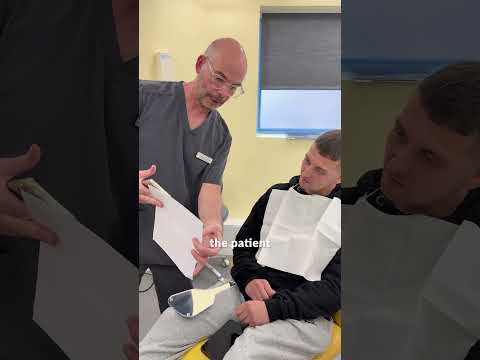
Richard explains why you might see a camera appear during an appointment at Evolve.
Because when we`re talking about your mouth, we think it`s rather useful if you can see what we`re talking about too.

There`s more to a smile transformation than two photographs
A before-and-after shows you two moments.
What it doesn`t show is everything that happened between them.
The conversations. The planning. What the patient wanted to change. The different options considered. And the decisions about what not to change.
That`s why we think the story behind a smile is every bit as interesting as the finished result.
Every patient is different - and every treatment plan should be too.
Here`s one of the lovely transformations we`ve had the privilege of being part of at Evolve. 💚
What actually happens during a dental examination?
If it’s been a while since your last dental examination, not knowing what to expect can sometimes make booking that appointment feel like a much bigger deal.
So what actually happens when you come in?
Richard explains what your dentist is looking for during a dental examination - and why it involves much more than simply checking whether you need a filling.
Regular examinations give us an opportunity to keep an eye on your teeth, gums and mouth, talk about anything that has changed and identify anything that may need our attention.
And if you haven’t been for a while? Please don’t feel embarrassed.
We’re simply pleased you’ve decided to come and see us.
🦷 We’re hiring - Dental Nurse | Portishead
We’re looking for a lovely new person to join our award-winning team at Evolve Dentistry.
You could be an experienced or newly qualified Dental Nurse, already in training, or looking for a completely new career - we’re genuinely open to all three. Finding the right person matters most.
If you’re new to dental nursing, we’ll fund and support you through your qualification.
💚 Permanent | Approx. 36 hours per week
💷 Trainee: £13.50-£14.50 per hour
💷 Qualified: £14.50-£16.55 per hour
📍 Portishead
📅 Monday, Thursday, Friday + alternate Saturdays
You’ll join a friendly, supportive team with great benefits, funded training and plenty of opportunities to develop.
Interested? Send your CV and a short covering note to hello@evolve-dentistry.co.uk.
Know someone who might be perfect for Evolve? Please tag them or share this with them. 💚
https://evolve-dentistry.co.uk/recruitment/
A little Evolve refresh 💚
You may have noticed something new if you’ve passed us recently…
Our new external signage is up!
We’ve given the outside of Evolve a refresh, making it even easier to spot us when you’re visiting the practice.
It’s been lovely seeing everything come together, and we think it looks rather smart. 😊
Have you spotted it yet?
#EvolveDentistry #Portishead #PortisheadDentist #LovePortishead #Evolve
Starting orthodontic treatment can feel like a big step.
But once you know what to expect, the whole journey often feels much less daunting.
From your first appointment to the day your braces come off, every stage is carefully planned to help you achieve a healthy, confident smile.
Swipe through our step-by-step guide to see what happens during orthodontic treatment - and how we’ll support you every step of the way.
https://bit.ly/3RTNc22
#AdultBraces #Orthodontics #SmileJourney #SmileConfidence #EvolveDentistry #portishead #nailsea #clevedon #Portisheadmarina