Face
Face 
 Dentistry
Short answer: An orthodontic consultation is simply a conversation about your smile. You’ll have the opportunity to discuss what you’d like to change, understand your treatment options and ask as many questions as you like. There should never be any pressure to start treatment.
If you’ve never had an orthodontic consultation before, it’s completely natural to wonder what will happen.
Will you need treatment straight away?
Will you have braces fitted that day?
Will you feel under pressure to make a decision?
The answer to all three is no.
A consultation is designed to help you understand your options so you can decide what feels right for you.
Most people don’t arrive knowing exactly which treatment they need.
They arrive with questions.
Perhaps you’ve been thinking about braces for years.
Maybe your teeth have moved recently.
Or perhaps someone has mentioned orthodontics during a routine dental examination.
Whatever brings you to a consultation, the appointment is about understanding your smile—not making a rushed decision.
Before we look at your teeth, we want to understand you.
We’ll ask questions such as:
There are no right or wrong answers.
Understanding your goals helps us recommend the most appropriate treatment for you.
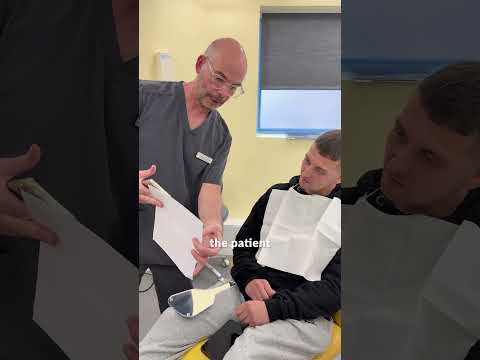
We’ll carry out a thorough assessment of your teeth, gums and bite.
This may include:
Digital scanning is comfortable, quick and creates a detailed 3D model of your smile.
Many patients enjoy seeing their teeth from a completely new perspective.
Once we’ve completed your assessment, we’ll explain what we’ve found.
This includes:
Our aim is to give you clarity—not overwhelm you with information.
One of the most important parts of the consultation is the conversation.
You’re encouraged to ask anything.
For example:
There are no silly questions.
If it’s important to you, it’s worth asking.
We don’t believe a consultation should feel like a sales appointment.
It should feel like an opportunity to understand your smile and explore your options.
Sometimes, we’ll recommend orthodontic treatment.
Sometimes, another approach may be more appropriate.
Occasionally, we’ll suggest no treatment at all.
Helping you make the right decision is more important than encouraging you to start treatment.
No.
In fact, we’d encourage you not to feel rushed.
Choosing orthodontic treatment is an important decision.
Once you’ve received your personalised recommendations, take time to think about them.
Talk them through with your partner or family if you’d like.
Read through the information we’ve provided.
Come back with more questions if you need to.
The best decisions are informed decisions.
Most importantly, bring your questions.
You might also find it helpful to think about:
The more we understand about you, the better we can tailor our advice.
Once your consultation is complete, there are several possible next steps.
You may decide to:
Every one of these outcomes is perfectly acceptable.
The consultation has done its job if you leave feeling informed and confident about your decision.
You’ll feel pressured to book treatment.
A good consultation should leave you feeling informed, not pressured.
You’ll have braces fitted at your first appointment.
The consultation is about assessment and planning, not starting treatment.
You need to know exactly what treatment you want before attending.
That’s what the consultation is for.
We’ll allow enough time to understand your goals, assess your smile and answer your questions without rushing.
If any additional records are required, we’ll explain why and discuss them with you.
We’ll tell you honestly and discuss any alternatives that may better meet your goals.
Of course. Many patients like to bring a partner, friend or family member to help them make their decision.
If you’d like to understand the entire orthodontic journey before making a decision, download The Evolve Guide to Adult Braces. It covers everything from your first consultation through to life after treatment.
Your first appointment isn’t about committing to braces.
It’s about understanding your smile, asking questions and discovering what’s possible.
Read our CQC report



🦷 Did you know left-handed people often brush their teeth differently?
It might sound surprising, but research suggests that your dominant hand can influence how and where you brush.
Many people naturally spend more time cleaning the side of their mouth that’s easiest to reach, meaning some areas can be missed without even realising it.
The good news? It doesn’t matter whether you’re left or right-handed - the most important thing is having a consistent brushing routine:
🪥 Brush twice a day for two minutes.
🦷 Use a fluoride toothpaste.
✨ Don’t forget to clean every surface of every tooth.
😁 And remember, regular hygiene appointments can help remove plaque and staining from the areas we all tend to miss.
Are you left or right-handed? Let us know in the comments… and next time you brush, pay attention to which side you start on! 👇

The best part of our job?
It’s this.
That first smile when someone sees the result of their treatment.
The confidence that comes from feeling comfortable smiling in photos again.
The relief of finally being out of pain.
The moment someone realises visiting the dentist wasn’t nearly as daunting as they expected.
Behind every smile is a person, a story and a journey. Being trusted to be part of that is something we never take for granted.
Thank you to every patient who chooses Evolve Dentistry. Helping you smile with confidence really is the best part of what we do. 💙
✨ How can you keep your teeth white?
In this short video, Dr Richard Ford shares some simple ways to help keep your smile looking its best:
• Attend regular hygiene appointments to help remove surface staining.
• Brush your teeth twice a day using a fluoride toothpaste.
• Be mindful of foods and drinks that can cause staining, such as black coffee, red wine and turmeric.
• If you’d like a brighter smile, professional teeth whitening is a safe and effective option.
The reality is that teeth naturally pick up stains over time. The good news is that a few simple habits can make a real difference.
If you’re thinking about whitening your teeth, or you’re not sure which option is right for you, we’re always happy to help you understand your choices with no pressure.
Have you got a question about keeping your teeth white? Leave it in the comments and we’ll do our best to answer it.
“Friendly staff and everything runs smoothly.”
When people describe their experience at Evolve, it’s often the little things they remember.
A warm welcome. A friendly conversation. Feeling listened to. Appointments that run smoothly. A team that genuinely cares.
We believe great patient care starts long before you sit in the dental chair. That’s why every member of our practice works together to make your visit as comfortable and stress-free as possible.
Thank you to everyone who shares their feedback with us. It helps us continue to provide the experience we would want for our own families.
If you’re looking for a dental practice where you’ll feel genuinely looked after, we’d love to welcome you.
📞 Get in touch to arrange your first visit.
Can you spot the odd object? 🔍
This summer, we’re proud to be taking part in the RNLI Portishead Lifeboat Station Spot the Odd Object trail! 🚤❤️
From 25 July to 29 August, explore Portishead, visit participating businesses and see if you can spot the mystery object hidden in each window - including ours here at Evolve Dentistry!
Not only is it a great way to enjoy a family day out, but every £5 entry helps support the incredible volunteers at RNLI Portishead Lifeboat Station, who work tirelessly to help keep people safe at sea.
📍 Visit our practice and see if you can find our hidden object.
👀 Don’t forget to complete your entry form for your chance to win one of the fantastic cash prizes!
If you take part, we’d love to see your photos - tag Evolve Dentistry and let us know when you’ve found our mystery object!
Good luck… and happy spotting! 🔎💙
#Portishead #RNLI #SpotTheOddObject #SupportLocal #FamilyFun #EvolveDentistry #PortisheadEvents #SummerHolidays
Will composite bonding damage my teeth?
It’s a common concern, especially for patients who want to improve their smile while protecting their natural teeth.
The good news is that composite bonding is often one of the most conservative cosmetic dental treatments available. In many cases, little or no preparation of the tooth is required, meaning your natural tooth structure can be preserved.
Composite bonding can be used to improve the appearance of:
✔ Chipped teeth
✔ Small gaps between teeth
✔ Uneven tooth shapes
✔ Worn edges
✔ Minor imperfections
Because the treatment is minimally invasive, many patients choose composite bonding when they want to enhance their smile without significant changes to their natural teeth.
Every smile is unique, so we’ll always discuss your options and explain exactly what’s involved before any treatment begins.
📍 Evolve Dentistry, Portishead
#Northsomerset #multiawardwinning #patientsatisfaction #patientsfirst #compositebonding #smilemakeovers #cosmeticdentistry #newpatients #naturalteeth #healthysmiles #healthysmile #acceptingnewpatients #nailsea #portishead #clevedon #portisheadmarina #dentist #smiledesign #bonding #confidentsmile #cosmeticsmile
Reading comments like this reminds us why we do what we do.
Helping people feel comfortable and cared for is just as important as providing great dentistry.
Thank you for your kind words.